
The Rise of AI in Daily Life: Are We Ready for What’s Next?
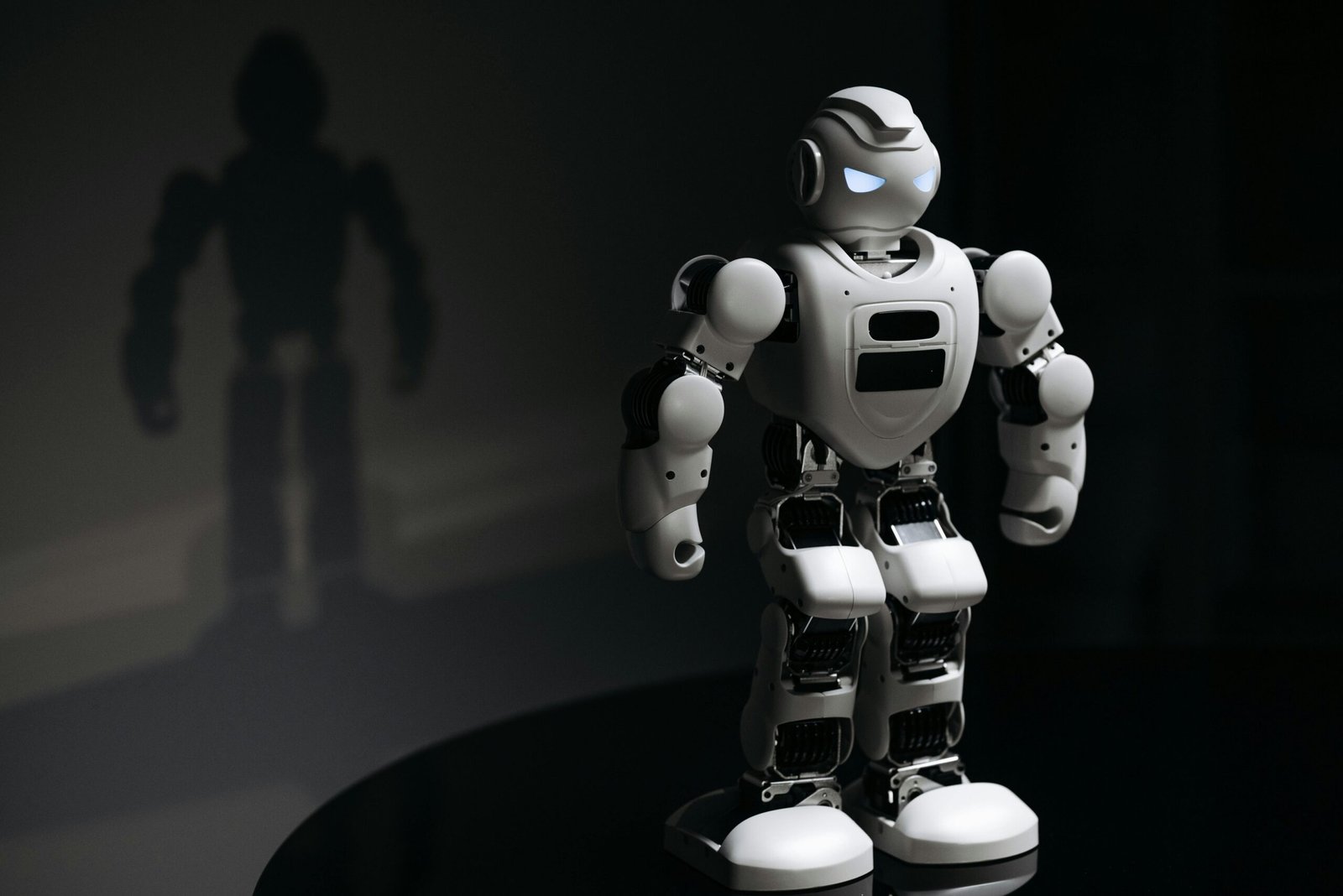
Just a decade ago, artificial intelligence (AI) felt like science fiction—a far-off dream reserved for tech giants and research labs. Today, AI is no longer a futuristic concept. It’s in your phone, your home, your car, and even your workplace. From voice assistants and facial recognition to personalized shopping recommendations and automated resumes, AI has quietly embedded itself into the fabric of our daily routines.
But while we embrace the convenience, it’s time to ask: Are we truly ready for what comes next?
AI Is Everywhere—But So Is Uncertainty
The transition from novelty to necessity happened almost overnight. AI now powers customer service chatbots, fraud detection systems, medical diagnostics, and even creative writing. It’s efficient, tireless, and incredibly fast. But with each breakthrough, we’re forced to confront a growing list of ethical, economic, and social challenges.
Bias in algorithms, job displacement, privacy erosion—these are no longer fringe concerns. They are the realities of a world that’s digitizing faster than it can regulate. The recent global conversations around AI-generated content and deepfakes, for example, highlight how quickly these tools can be misused, leaving governments scrambling to respond.
The Human Cost of Convenience
Let’s not forget the human stories behind the rise of AI. As automation grows, entire industries are shifting. Truck drivers, factory workers, and even professionals in law and journalism are witnessing the early waves of displacement. And while some argue that AI will create new roles to replace the old, history tells us that transitions of this scale are rarely smooth.
We must question whether society is preparing people for this change—or simply leaving them to adapt on their own.
Regulation: Playing Catch-Up
Tech innovation moves at lightning speed. Policy, on the other hand, often lags behind by years. The absence of clear international guidelines for AI development leaves a dangerous vacuum—one where private interests, rather than public good, often lead the way.
Without proper oversight, we risk allowing a handful of powerful corporations to shape the future of humanity with minimal accountability. Is that a future we’re willing to accept?
What Should We Do?
We can’t (and shouldn’t) stop the growth of AI. But we do need to approach it with wisdom, foresight, and humanity.
Governments must invest in AI education and upskilling programs to ensure people are not left behind. Regulators must work with technologists—not against them—to develop ethical frameworks that encourage innovation without sacrificing rights or values. And as individuals, we must stay informed, ask hard questions, and push for transparency from the tools we increasingly depend on.
Final Thought
The rise of AI is not just a technological revolution. It’s a societal shift—one that demands more than passive observation. It calls for engagement, responsibility, and bold leadership.
The future is being written now. The only question is: Will we shape it, or let it shape us?

Leave a Comment