
Beyond the Screen: How AR, VR & Spatial Computing Are Redefining Reality
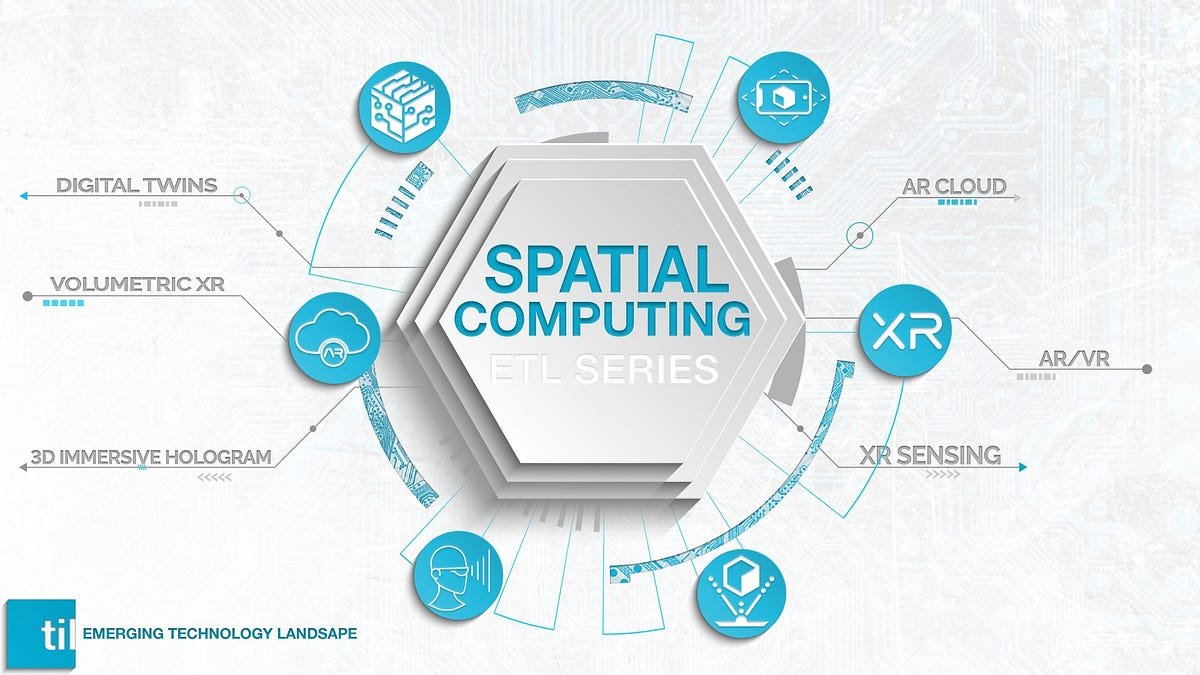
In the last decade, we’ve watched technology evolve from flat screens and static interfaces to rich, three-dimensional experiences. Welcome to the era of immersive technology, where Augmented Reality (AR), Virtual Reality (VR), and Spatial Computing are no longer futuristic fantasies — they are shaping how we work, learn, shop, and play in 2025.
In this post, we’ll explore what these technologies are, how they’re being used today, and what the future holds.
What Are AR, VR & Spatial Computing?
Augmented Reality (AR)
AR overlays digital content onto the real world using devices like smartphones, tablets, and smart glasses.
Example: AR apps that let you see how furniture fits in your room or provide directions overlaid on your windshield.
Virtual Reality (VR)
VR immerses you in a fully digital world using headsets like the Meta Quest 4 or PlayStation VR2. You are completely cut off from your physical surroundings.
Example: VR games, virtual museums, or immersive fitness classes.
Spatial Computing
This is the next frontier — an integration of AR, VR, AI, and sensor data to understand and interact with the world around you in 3D.
Think: Hands-free interfaces, holographic displays, and devices like Apple Vision Pro that allow interaction with digital content using eye, hand, and voice.
| Feature/Aspect | Augmented Reality (AR) | Virtual Reality (VR) | Spatial Computing |
|---|---|---|---|
| Definition | Adds digital elements to the real world | Fully immersive, computer-generated virtual world | Interacts with digital and physical environments in 3D |
| User Experience | Real-world view enhanced with digital overlays | Completely virtual environment, no view of real world | Mixed environment with real-time interaction across both |
| Devices Used | Smartphones, tablets, AR glasses (e.g. HoloLens) | VR headsets (e.g. Meta Quest, PS VR) | AR/VR headsets, depth sensors, LiDAR, AI-powered wearables |
| Awareness of Environment | Aware of the physical world | Isolated from the physical world | Maps and understands physical space in real-time |
| Interaction Type | Limited (tap, swipe, voice) | Hand controllers, gesture tracking | Natural interactions: hand, eye tracking, gestures, voice |
| Common Use Cases | Navigation, retail previews, industrial maintenance | Gaming, virtual training, simulations | Smart factories, remote workspaces, healthcare, digital twins |
| Level of Immersion | Low to medium | High | High (but grounded in real-world context) |
| Examples | Pokémon GO, IKEA Place | Beat Saber, Half-Life: Alyx | Apple Vision Pro, Microsoft Mesh, Magic Leap |
The Road Ahead
The immersive tech market is booming — expected to surpass $300 billion by 2027. As devices become more affordable and content more compelling, adoption is expanding beyond niche audiences into mainstream use.
Emerging trends:
- Haptic feedback for touch sensations
- Brain-computer interfaces
- Lightweight, all-day wearable headsets
- AI-driven virtual assistants in 3D environments
Challenges to Watch
- Privacy concerns: Spatial computing collects massive data (eye movement, gestures, spatial maps).
- Health risks: Long-term effects of extended headset use still need research.
- Accessibility & cost: Not everyone can afford or access high-end AR/VR tech yet.

Leave a Comment