
Mind Meets Machine: How Brain-Computer Interfaces Are Redefining the Future of Technology
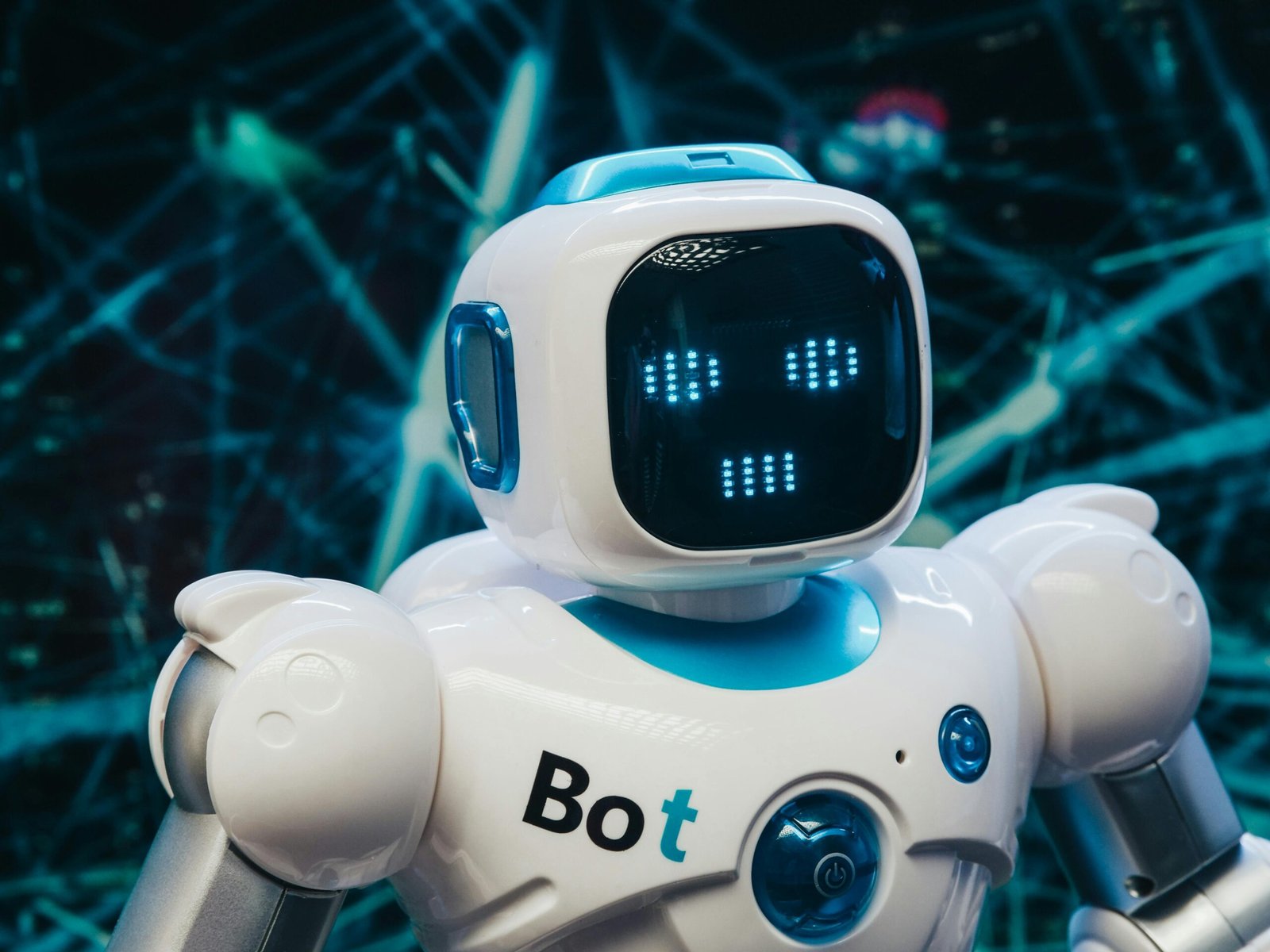
Imagine controlling a computer with your thoughts, communicating without speaking, or restoring movement to someone paralyzed—all through a direct connection between the human brain and a machine. Once confined to the realm of science fiction, Brain-Computer Interfaces (BCIs) are now one of the most groundbreaking and promising technologies of the 21st century.
In this post, we’ll explore what BCIs are, how they work, their current applications, key players, and what the future holds for this mind-bending tech.
What Are Brain-Computer Interfaces?
A Brain-Computer Interface (BCI) is a system that establishes a direct communication pathway between the brain and an external device—like a computer, robotic limb, or even a smartphone.
Instead of using muscles or speech, BCIs allow users to send signals directly from the brain to control technology.
In short: BCIs turn thoughts into actions.
How Do BCIs Work?
BCIs typically follow this 3-step process:
- Signal Acquisition: Sensors (either implanted or non-invasive) detect electrical signals from the brain—especially from areas like the motor cortex.
- Signal Processing: Software interprets these brainwaves using machine learning, filtering out noise and identifying intent.
- Output Execution: The interpreted signals control an external device, such as moving a cursor, operating a wheelchair, or typing on a screen.
Types of BCIs:
| Type | Description | Example Use |
|---|---|---|
| Invasive | Implanted directly into the brain | Restoring movement in paralyzed patients |
| Non-Invasive | Uses sensors on the scalp (EEG) | Mind-controlled games or typing |
| Partially Invasive | Placed inside the skull but outside the brain tissue | Long-term signal collection |
Current Applications of BCIs
BCI technology is already making real-world impacts:1. Medical Rehabilitation
1. Medical Rehabilitation
- Restoring mobility in paralyzed individuals
- Helping ALS patients communicate
- Assisting in stroke recovery through neural feedback
2. Mental Health & Neurological Disorders
- Monitoring and treating epilepsy, PTSD, and depression
- Potential for early diagnosis of Alzheimer’s or Parkinson’s
3. Gaming and Entertainment
- Mind-controlled video games and virtual reality experiences
- BCIs that respond to player emotion or concentration
4. Human Augmentation
- Enhancing memory or focus
- Potential future uses in education and workforce productivity
Leading Companies & Projects in BCI
Several pioneering companies are pushing the boundaries of BCI technology:
- Neuralink (by Elon Musk): Developing high-bandwidth, implantable brain chips
- Synchron: Focused on minimally invasive BCIs approved for human trials
- Kernel: Building non-invasive BCIs for brain health tracking
- Blackrock Neurotech: Specializing in clinical-grade brain implants
Challenges & Ethical Considerations
While exciting, BCIs come with serious technical, ethical, and societal challenges:
Privacy & Data Security
- Your brain data is extremely personal. Who owns it? How is it protected?
Ethics of Enhancement
- Is it ethical to enhance human cognition or memory beyond natural limits?
Long-Term Effects
- Especially with invasive implants, what are the neurological risks?
Accessibility
- Will this technology only be available to the wealthy or privileged?
What’s Next for Brain-Computer Interfaces?
The future of BCIs is both exciting and unpredictable. In the next 10–20 years, we may see:
- Brain-to-brain communication
- Mind-controlled prosthetics becoming mainstream
- Neural wearables for productivity, learning, or mood enhancement
- BCIs in education: faster learning through cognitive feedback
- A new class of “neuro-rights” protecting mental privacy and cognitive freedom
Bold prediction: In the near future, typing on a keyboard may be optional. You’ll just think—and your words will appear.
Final Thoughts
Brain-Computer Interfaces represent a true fusion of biology and technology. They hold the potential to transform healthcare, enhance human abilities, and reshape how we interact with the digital world.
We’re not just upgrading our devices anymore—we’re upgrading ourselves.

Leave a Comment