
Whispers of the Forgotten: Exploring Abandoned Cities and Ghost Towns
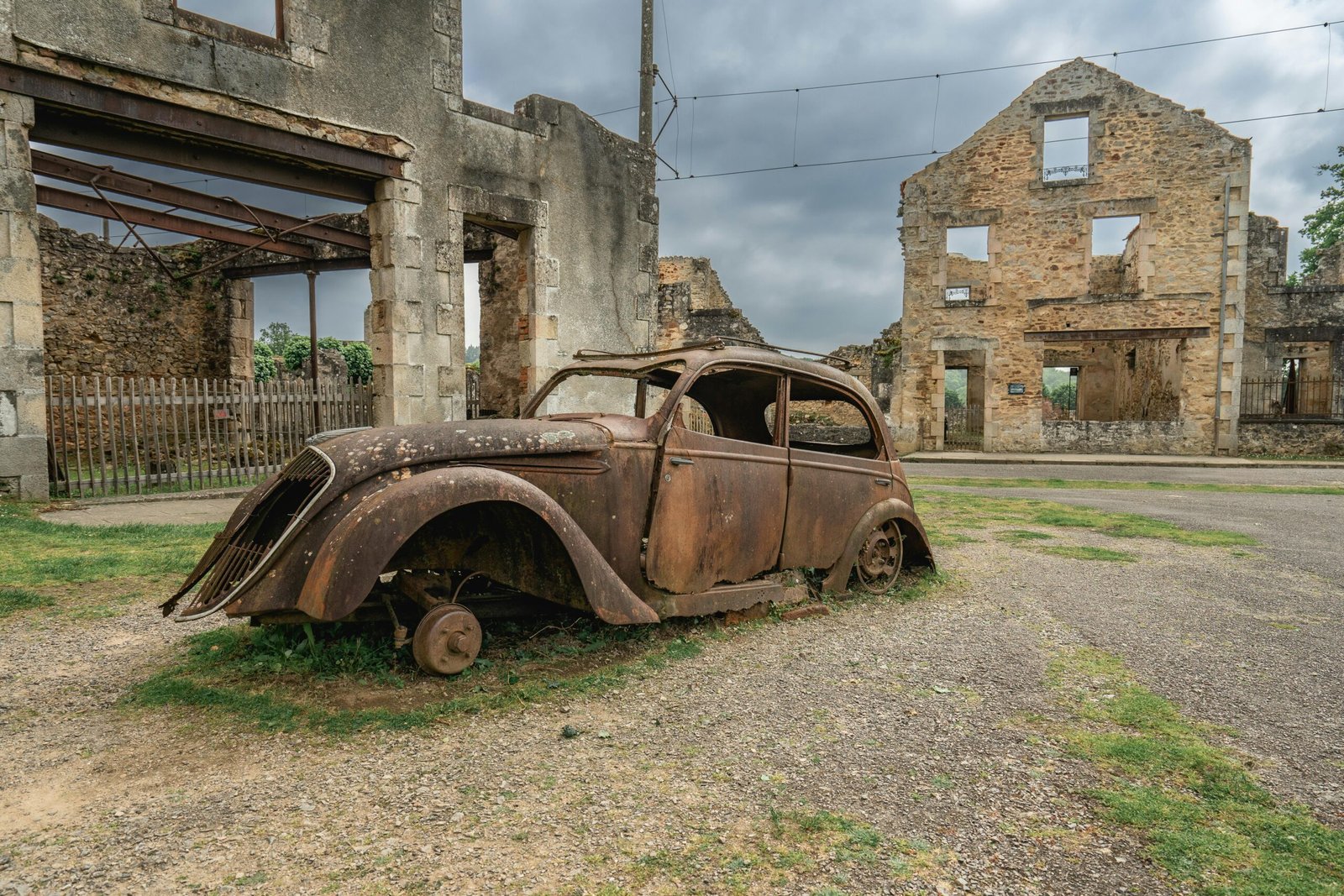
Have you ever walked through a place where time feels frozen? Where buildings still stand but laughter, conversations, and daily life have vanished into silence? Abandoned cities and ghost towns are more than empty shells of civilization—they are silent storytellers of human history, nature’s resilience, and the haunting mysteries that stir both wonder and fear in our hearts.
What Do Ghost Towns Really Mean?
A ghost town is a once-thriving settlement that was abandoned due to war, natural disasters, economic decline, or mysterious circumstances. They represent the fragility of human life against the forces of time, reminding us that even the busiest cities today could one day fall silent.
Stories That Stir Curiosity
- Pripyat, Ukraine – Once home to thousands, Pripyat became a ghost town overnight after the Chernobyl disaster in 1986. Today, its amusement park with a rusting Ferris wheel stands as a chilling reminder of the tragedy.
- Kolmanskop, Namibia – A diamond boomtown that turned into a desert playground for sand. Homes are now filled with golden dunes, creating surreal, dreamlike images that attract adventurers and photographers.
- Bhangarh, India – Known as one of the most haunted towns in the world, legends say it was cursed by a sorcerer. Even today, locals refuse to stay there after sunset.
These stories are like threads weaving the past into the present, making ghost towns irresistible to travelers, photographers, and history lovers.
Why Do They Attract People?
Ghost towns draw people not just for their eerie vibes but for the emotions they stir:
- Curiosity: Visitors want to know why people left and what life was like before.
- Mystery: The unknown always fascinates us—were these places cursed, doomed, or simply forgotten?
- Beauty in Decay: Broken buildings, wild plants reclaiming streets, and untouched objects create hauntingly beautiful scenes.
Connection with Nature
When humans leave, nature takes over. Plants sprout through cracked walls, animals wander freely in empty streets, and silence becomes the new ruler. Ghost towns show us how quickly nature reclaims its space, reminding us of its power and balance. Walking in such places feels like stepping into a world where human presence has faded, but the earth continues to thrive.
The Fear They Create
Ghost towns are not just beautiful—they’re unsettling. The silence feels heavier than noise. Empty houses with broken windows feel like they’re watching you. The thought of footsteps echoing in a deserted street can make your heart race. It’s not just fear of spirits or legends—it’s the fear of confronting loneliness, emptiness, and the unknown.
Why They Fascinate Us So Much
Exploring ghost towns is like holding a mirror to human existence. They tell us that life is temporary, that nature is eternal, and that history has layers waiting to be uncovered. Whether they make you shiver or spark wonder, ghost towns leave an unforgettable mark on anyone who dares to step inside.
In the end, ghost towns are not just empty places. They are living museums of silence, fear, beauty, and history. They attract us because they are both haunting and breathtaking—reminders that everything we build may one day belong to the whispers of the forgotten.

Leave a Comment