
Climbing the Giants: Conquering the World's Most Dangerous Peaks
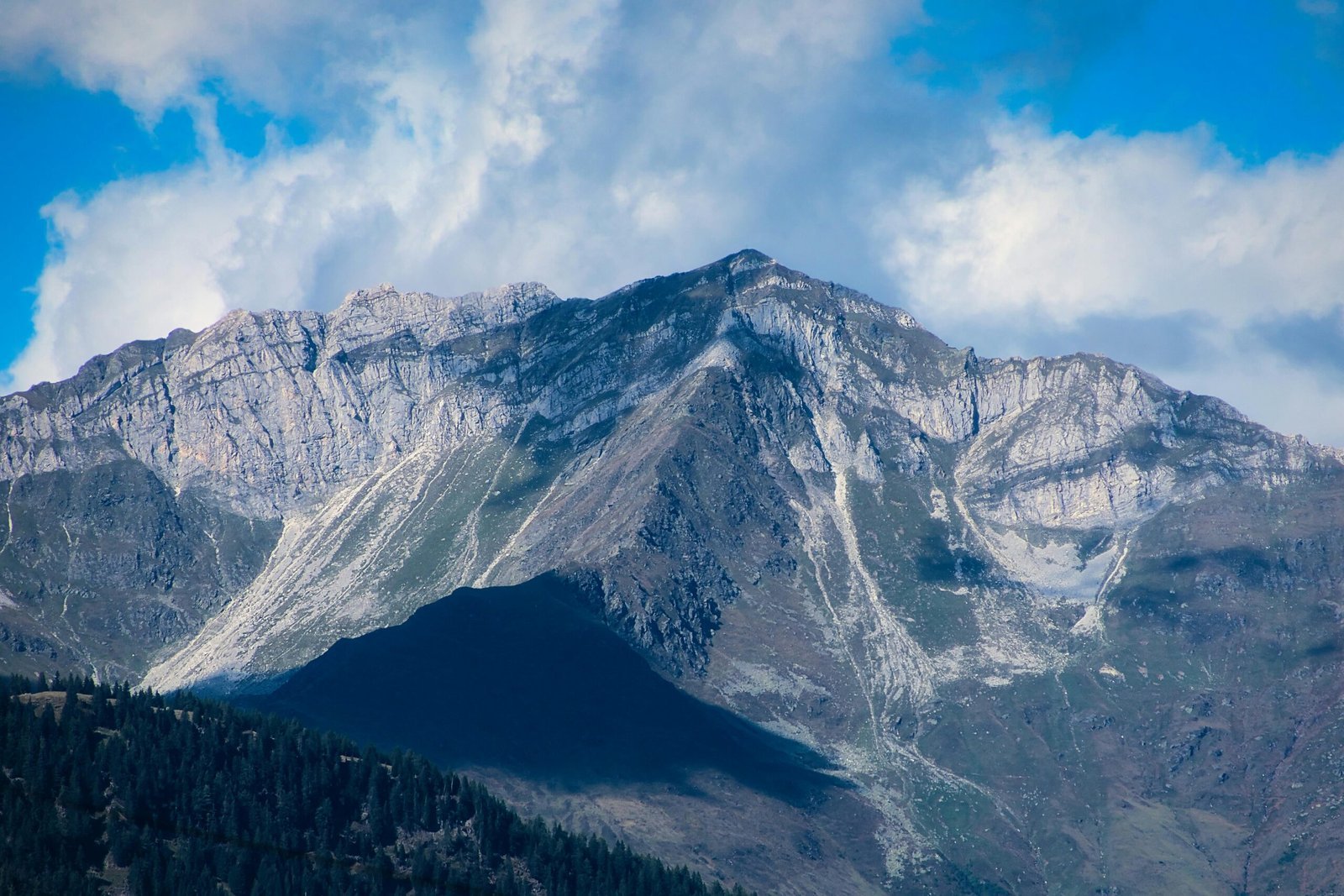
There are mountains—and then there are giants. These towering titans of rock and ice don’t just test your strength, they test your spirit. Climbing dangerous peaks is not just an adventure; it’s a dialogue between human determination and nature’s raw, unfiltered power. Every step taken on these icy slopes is a step away from comfort and a step closer to discovering what lies within.
Imagine standing at the base of K2 as cold winds slash across your face, or taking your first breath in the death zone of Everest where oxygen thins and the world goes silent. Up here, it’s not just about reaching the top—it’s about survival, clarity, and the unexplainable thrill of defying limits.
What Makes These Peaks So Dangerous?
- Unpredictable Weather – Clear skies can turn to deadly storms within minutes.
- Avalanche Zones – One wrong sound or movement can trigger a roaring wall of snow.
- Thin Air & Altitude Sickness – The higher you climb, the more your body rebels.
- Technical Climbing Routes – Steep ice walls, sharp ridges, and unstable snowfields test every skill you’ve got.
- Isolation – Rescue is nearly impossible in these harsh terrains.
What Makes These Peaks So Fascinating?
Climbers from around the world risk their lives to stand on top of these dangerous heights. But why? What makes this so interesting and irresistible?
Here’s what draws people into this extreme adventure: The Thrill of the Unknown
No two climbs are ever the same. Weather changes in seconds, and every step can bring a new challenge. This unpredictability gives climbers a burst of adrenaline that few other adventures can match.
Beyond Comfort — Into Survival Mode
At high altitudes, where oxygen drops and the human body struggles, climbers enter survival mode. Each breath feels like fire, but their focus stays on the summit. That fight against nature—and against themselves—is deeply compelling.
The Beauty Above the World
From the death zone at the top of the world, the earth looks different—quiet, magical, endless. Standing above clouds and watching the sunrise from a place where most humans never reach is a moment that climbers describe as life-changing.
A Test of Mind and Soul
The real challenge isn’t just physical—it’s deeply mental. With freezing winds, isolation, and fear always present, climbers discover their inner strength, something that stays with them forever.
Mountains That Command Respect
- K2, Pakistan – Known as the “Savage Mountain” with one of the highest fatality rates.
- Mount Everest, Nepal/Tibet – The world’s highest peak, a dream and nightmare combined.
- Annapurna, Nepal – Beautiful but deadly, with steep vertical climbs and avalanche risks.
- Nanga Parbat, Pakistan – Called the “Killer Mountain” for its brutal conditions.
- Denali, USA – Fierce cold winds and extreme altitude make survival tough.
More Than a Climb – It’s a Journey Within
Adventurers who take on these giants often say the real climb begins in the mind. Fatigue, fear, and isolation push climbers to their emotional edges. But in that quiet battle between fear and resilience, something shifts. The mountain doesn’t just show you its might—it reveals your own.
Why People Still Do It
- To challenge the impossible
- To experience raw nature at its purest
- To feel alive beyond routine
- To find peace in the silence above the clouds
write a blog about Climbing the Giants: Conquering the World’s Most Dangerous Peaks and giv title for it
Final Thought
Climbing dangerous peaks isn’t just about planting a flag at the summit. It’s about the story etched into every heartbeat along the way—the story of courage, failure, persistence, and the breathtaking beauty found only where few dare to go. Because the giants of the world do not bow easily—they wait for those bold enough to rise.

Leave a Comment