
What Happens When Every App Becomes a Therapist?
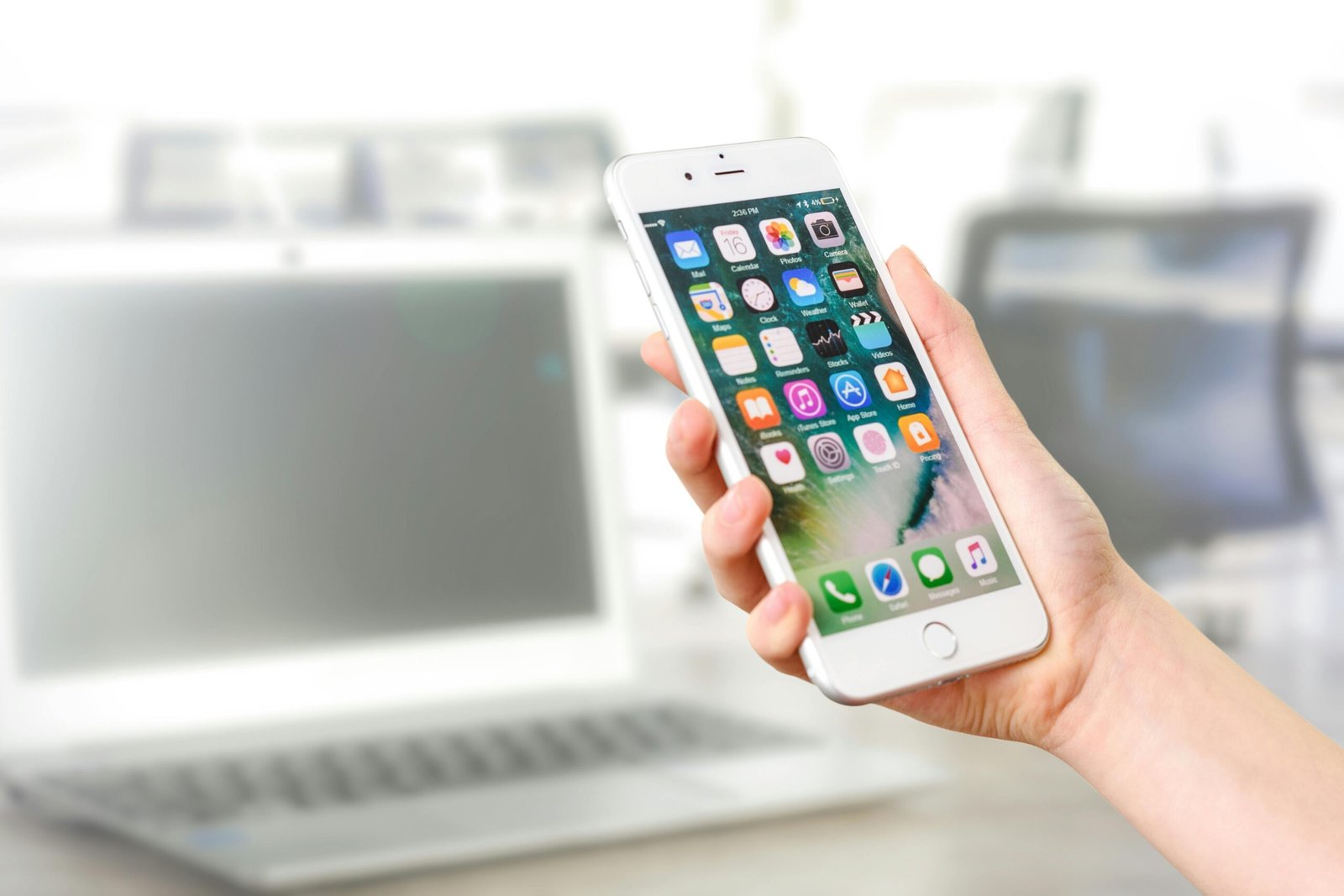
In a world where our phones know our sleep cycles, stress levels, and even moods, it’s not surprising that therapy has found its way into our pockets. Once, healing the mind required a quiet office, a patient couch, and a trusted therapist. Today, it requires nothing more than a tap. From guided meditations to mood trackers and AI companions that “listen,” our emotional well-being has gone digital. But as these apps promise calm, confidence, and even happiness — we need to ask: what happens when every app becomes a therapist?
When AI Starts Listening
But here’s where it gets complicated. Apps are learning how we feel before we even tell them. They read our tone, analyze our texts, track our habits, and infer our moods. Imagine your phone suggesting, “You sound anxious — want to talk?” before you even realize you are.
That’s not science fiction — that’s 2025.
And while it sounds caring, it raises a haunting question: are we outsourcing self-awareness?
When an algorithm starts identifying your emotional triggers better than you can, does it empower you — or quietly take control of your inner world?
Traditional Therapy vs. Therapy Apps: A Modern Comparison
| Aspect | Traditional Therapy | Therapy Apps |
|---|---|---|
| Human Connection | Offers genuine empathy, emotional depth, and real-time understanding. | Provides AI or scripted responses — feels supportive but lacks true human emotion. |
| Accessibility | Limited by location, schedule, and availability of professionals. | Available 24/7 anywhere with an internet connection. |
| Cost | Can be expensive (session-based fees). | Often free or subscription-based at a lower cost. |
| Privacy | Bound by confidentiality laws and ethical standards. | Depends on app data policies — risk of data tracking or sharing. |
| Personalization | Therapist adapts uniquely to your emotions and history. | Personalization is algorithm-based; relies on patterns, not intuition. |
| Immediate Support | Requires booking sessions; not instant. | Offers instant comfort and tools at any moment. |
| Depth of Healing | Focuses on long-term emotional understanding and growth. | Best for quick relief, not deep emotional processing. |
| Comfort Level | May feel intimidating or vulnerable at first. | Feels easy, private, and stigma-free. |
| Accountability | Regular follow-ups and emotional support from a professional. | Self-driven; user must stay consistent for results. |
| Effectiveness | Proven results through research and experience. | Effective for mild stress and anxiety, less so for complex issues. |
A Silent Revolution in Mental Health
Still, we can’t deny their power. Millions who once felt alone now find comfort through their screens. In places where therapy is stigmatized or expensive, apps are breaking barriers. They’re making emotional care normal — even cool. The future might not be about choosing between digital and human therapy, but blending them.
Maybe an app becomes your daily guide, while a therapist helps you go deeper. Maybe data helps therapists understand you faster. Maybe, just maybe, this partnership makes mental health care universal.
But the Final Question Remains
When every app becomes a therapist — who’s truly healing us?
Is it the app that listens?
Or is it us, finally learning to listen to ourselves?

Leave a Comment