
AutoCAD: The Power of Precision in Design
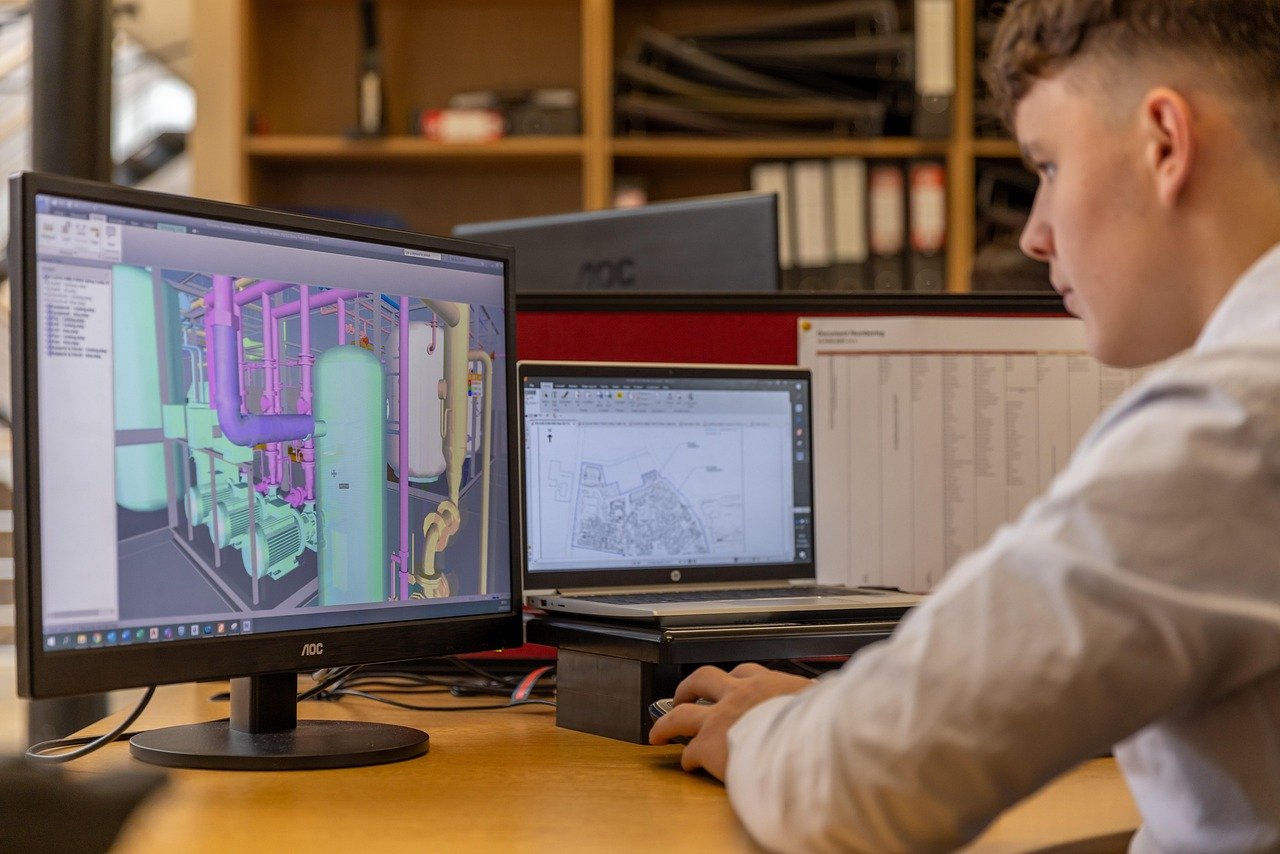
AutoCAD, developed by Autodesk, is one of the most widely used computer-aided design (CAD) software in the world. Launched in 1982, it has become an essential tool for architects, engineers, and designers to create 2D drawings and 3D models with unmatched accuracy.
With AutoCAD, professionals can draft building plans, design mechanical parts, plan infrastructure, or even visualize interior layouts. Its features — like automation, customization, and collaboration tools — save time and increase efficiency.
What makes AutoCAD stand out is its versatility. It’s used across industries such as architecture, civil engineering, mechanical design, and interior planning. Whether it’s a skyscraper blueprint or a machine prototype, AutoCAD brings ideas to life with precision and creativity.
In short, AutoCAD isn’t just software — it’s the digital foundation of modern design and innovation.
What is AutoCAD?
AutoCAD is a computer-aided design (CAD) software that enables architects, engineers, and designers to create detailed drawings, models, and blueprints with unmatched accuracy. Since its launch in 1982, it has grown into a versatile platform used across industries like construction, manufacturing, automotive, and even interior design.
Key Features of AutoCAD
- 2D Drafting & Drawing – Create precise layouts, diagrams, and technical drawings.
- 3D Modeling & Visualization – Build and render realistic 3D models of structures or products.
- Customization & Automation – Add plugins or use scripts to speed up repetitive tasks.
- Collaboration Tools – Share, annotate, and edit designs with teams in real time.
- Cross-Platform Access – Available on desktop, web, and mobile, making it flexible to use anywhere.
Why Professionals Use AutoCAD
- Accuracy & Efficiency – Complex designs can be made with millimeter-level precision.
- Time-Saving – Templates, libraries, and automation features reduce repetitive work.
- Industry Standard – Recognized globally, making it essential for career growth in design and engineering.
- Versatility – Works for architecture, product design, civil engineering, mechanical design, and more.
Real-World Applications of AutoCAD
- Architecture – Designing floor plans, elevations, and building structures.
- Civil Engineering – Creating road layouts, bridges, and infrastructure projects.
- Mechanical Engineering – Drafting machine components and assemblies.
- Interior Design – Visualizing room layouts, furniture, and space planning.
- Electrical Engineering – Circuit diagrams and electrical layouts.
Final Thoughts
AutoCAD is more than just software – it’s a creative powerhouse that bridges imagination and practicality. For anyone passionate about designing the future, mastering AutoCAD is like learning the language of innovation. Whether you’re sketching the blueprint of a dream home or designing the next breakthrough machine, AutoCAD is the tool that makes it possible.

Leave a Comment