
Bridging Global Gaps: The Power of Collaboration and Communication in Education
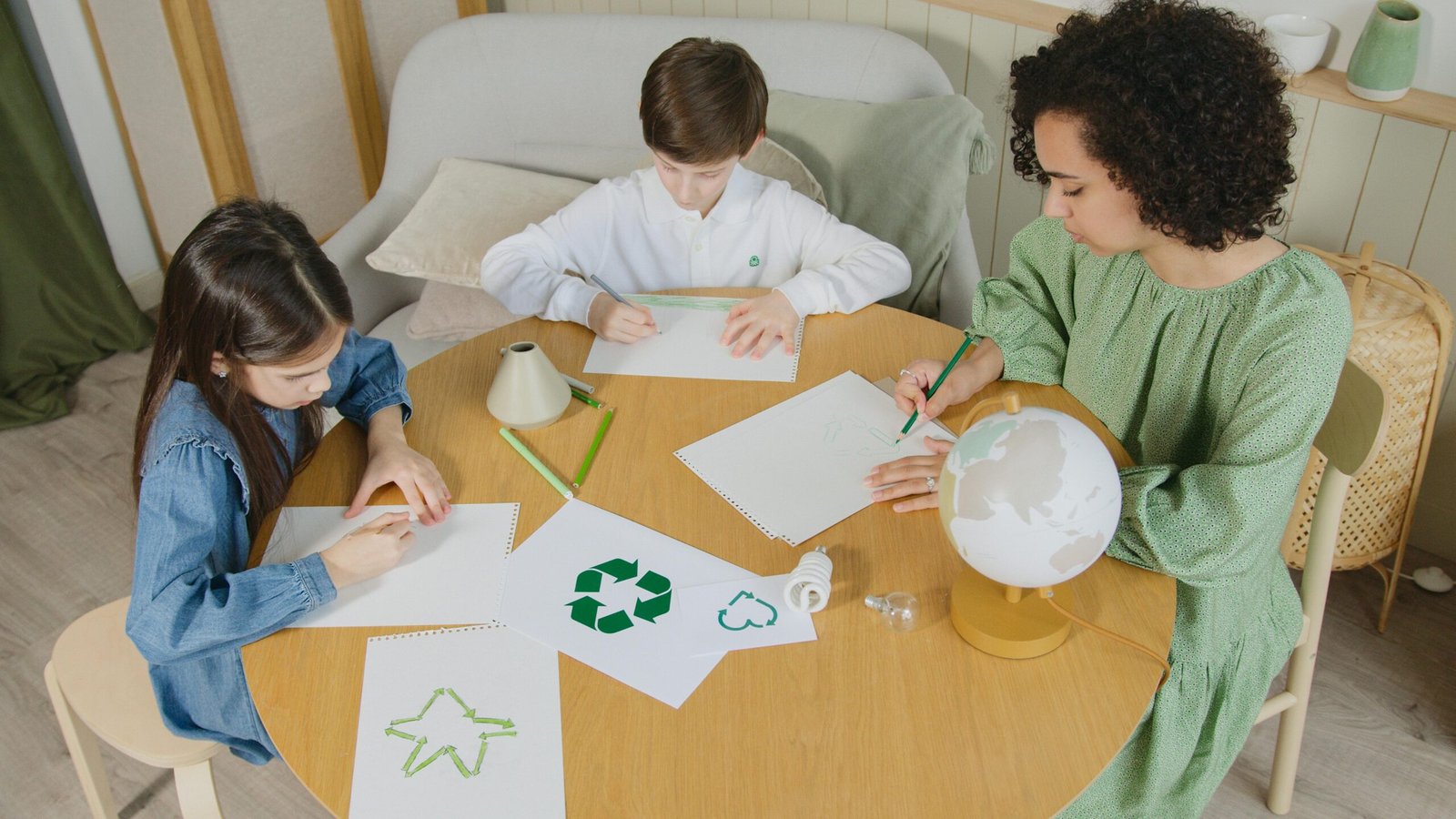
In a world that is increasingly interconnected, the ability to collaborate and communicate across borders is no longer a luxury; it’s a necessity. For education, this shift has profound implications. Gone are the days when learning was confined to a local classroom or even a single country. Today, technology enables students, educators, and experts from every corner of the globe to share ideas, solve problems, and learn together. But how exactly is collaboration and communication bridging global gaps in education? Let’s explore how these tools are transforming learning and making the world a smaller, more connected place
Breaking Down Language Barriers
One of the biggest challenges to global communication has historically been language. However, tools like Google Translate, Duolingo, and AI-powered language models are making it easier than ever for people who speak different languages to understand one another.
Additionally, language learning apps and online courses allow students to engage in cross-cultural communication in real-time, regardless of their native language. This ability to bridge linguistic gaps not only makes learning more inclusive but also empowers students to connect and share ideas with a broader network of peers. In essence, the language barrier is becoming less of an obstacle and more of a gateway to global learning.
Facilitating Access to Global Experts
In traditional classrooms, it might be difficult to access experts in fields like science, literature, or global politics. But with communication tools like webinars, podcasts, and virtual guest lectures, experts from all over the world are now just a click away.
Students can interact with Nobel laureates, renowned scholars, and industry leaders, asking questions and gaining insights from those who are shaping the world. These interactions inspire students and provide them with a deeper understanding of their field of study, while also giving them access to cutting-edge knowledge and expertise that might have been out of reach otherwise.
Collaboration Beyond the Classroom: Real-World Applications
Perhaps the most exciting aspect of global collaboration in education is how it extends beyond academic walls into real-world problem-solving. Students are no longer learning in isolation; they are actively participating in global conversations and initiatives.
Think about students designing sustainable solutions for urban planning in partnership with peers in developing nations or engaging in social justice projects with organizations around the world. These real-world applications encourage students to apply their learning to challenges that span borders and cultures, empowering them to become change-makers who can tackle global issues.
The Role of Educators in a Globalized Learning Environment
Teachers have always been the backbone of education, but in today’s globalized world, their role has expanded. No longer just instructors, educators are now facilitators of cross-cultural communication and global collaboration. Teachers use technology not just for delivering lessons but for creating opportunities for students to work together with peers from different backgrounds, encouraging dialogue, critical thinking, and creativity.
Moreover, educators are becoming lifelong learners themselves, constantly adapting to new technologies, learning tools, and cultural trends that enable them to better support their students in an interconnected world.
Conclusion: The Future of Global collaboration
As the world continues to shrink thanks to advances in communication technologies, the opportunities for global collaboration in education are limitless. What once seemed like distant dreams—working on international projects, engaging in real-time cultural exchanges, or accessing expertise from around the world—are now part of everyday learning.
The beauty of this shift is that it fosters not just academic success but also a deeper sense of global citizenship. Students are no longer just preparing for careers; they are preparing to work alongside people from diverse backgrounds to solve the complex challenges facing the world today. Collaboration and communication have bridged the gaps between cultures, languages, and perspectives—creating a learning environment that is as dynamic, interconnected, and inclusive as the world we live in.

Leave a Comment