

Future Alert! DSSSB Admit Card 2026: Everything You Need to Know for Your Feb-March Exams!
Hey future government job holders! Are you eagerly waiting to take the next big step in your career journey? If […]
Hey future government job holders! Are you eagerly waiting to take the next big step in your career journey? If […]

Hey there, adventurers and knowledge-seekers! Ever wondered about the epic journeys some rivers take? In India, there’s one river that
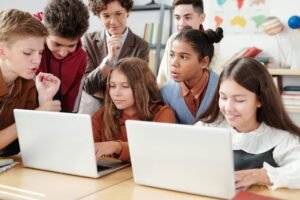
Before we talk about exams, ranks, or textbooks, there’s one thing that truly shapes the future of a student: curiosity. It’s the spark that makes learning effortless, exciting, and meaningful. And surprisingly, it’s the one thing schools often forget to nurture.
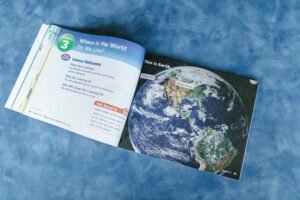
Education is supposed to build futures—but is it really doing that? Today’s world is changing so fast that yesterday’s lessons often don’t match tomorrow’s challenges. This raises a big question: Are students getting the skills they truly need, or are we still teaching for an outdated world?
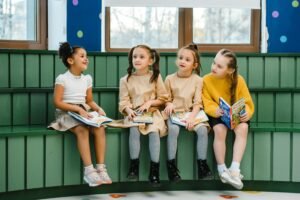
In a world where AI can solve equations in seconds and information is available in a single tap, one question stands out: Are students truly learning, or are they just memorizing to survive exams?
Modern education is shifting, and the most valuable skill of this new era isn’t how many answers a student remembers — it’s how many questions they’re brave enough to ask.
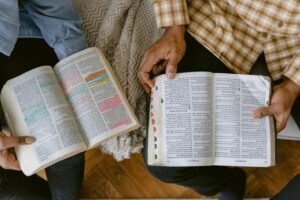
Imagine two children born on the same day — one in a city with world-class schools, tech labs, and well-trained teachers… and another in a rural or underfunded neighborhood struggling with outdated books and broken classrooms.
Their dreams might be the same, but their chances aren’t.
That’s the harsh truth of education inequality — where your ZIP code can decide your destiny more than your effort ever could.

We’ve all been there — staring at a report card that didn’t shine, a project that didn’t work out, or a dream that just didn’t happen the way we imagined.
And what’s the first thing we think?
“I messed up.”
But what if that “mess-up” was actually your greatest teacher in disguise?
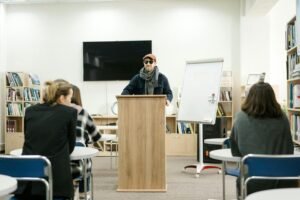
For centuries, classrooms have been the temples of knowledge. Desks in neat rows, chalk on the board, and one teacher standing as the gatekeeper of information. But today, that gate has been blown wide open. Learning no longer lives inside four walls — it’s everywhere, always on, always accessible.
From coding to filmmaking, from psychology to space science — people are learning everything online, often faster and more effectively than in formal systems. The rise of self-taught minds isn’t just a trend. It’s a quiet revolution.

There was a time when a degree was your golden ticket — the proof that you’d “made it.” Parents framed it, employers worshipped it, and society used it to measure your worth. But today? The world doesn’t stop for your certificate anymore. Skills speak louder than seals, and experience beats education. The question isn’t where you studied, but what you can actually do.

Imagine this: a room full of students nervously clutching their report cards, hearts racing as the teacher calls out marks. For years, this has been the ultimate measure of success. But pause for a moment—do these numbers really define your life beyond school walls?
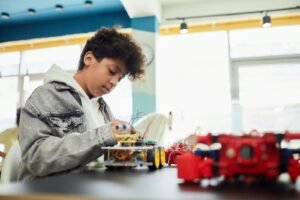
In classrooms, a lot of attention goes to grades, assignments, and exam scores. But in reality, success is not just about what you know — it’s about how you use it. That’s where soft skills make the difference. These are the life skills that help students communicate better, think clearly, handle pressure, and become confident individuals ready for the future.

In today’s fast-paced world, students are juggling more than just textbooks and exams. From looming deadlines to social pressures, academic life can feel overwhelming. Stress isn’t just a distraction—it can affect focus, memory, and even overall health. That’s why mindfulness in education has emerged as a powerful tool to help students turn stress into success.