
Climbing Beyond Limits: Why Rock Climbing Captures the World’s Heart
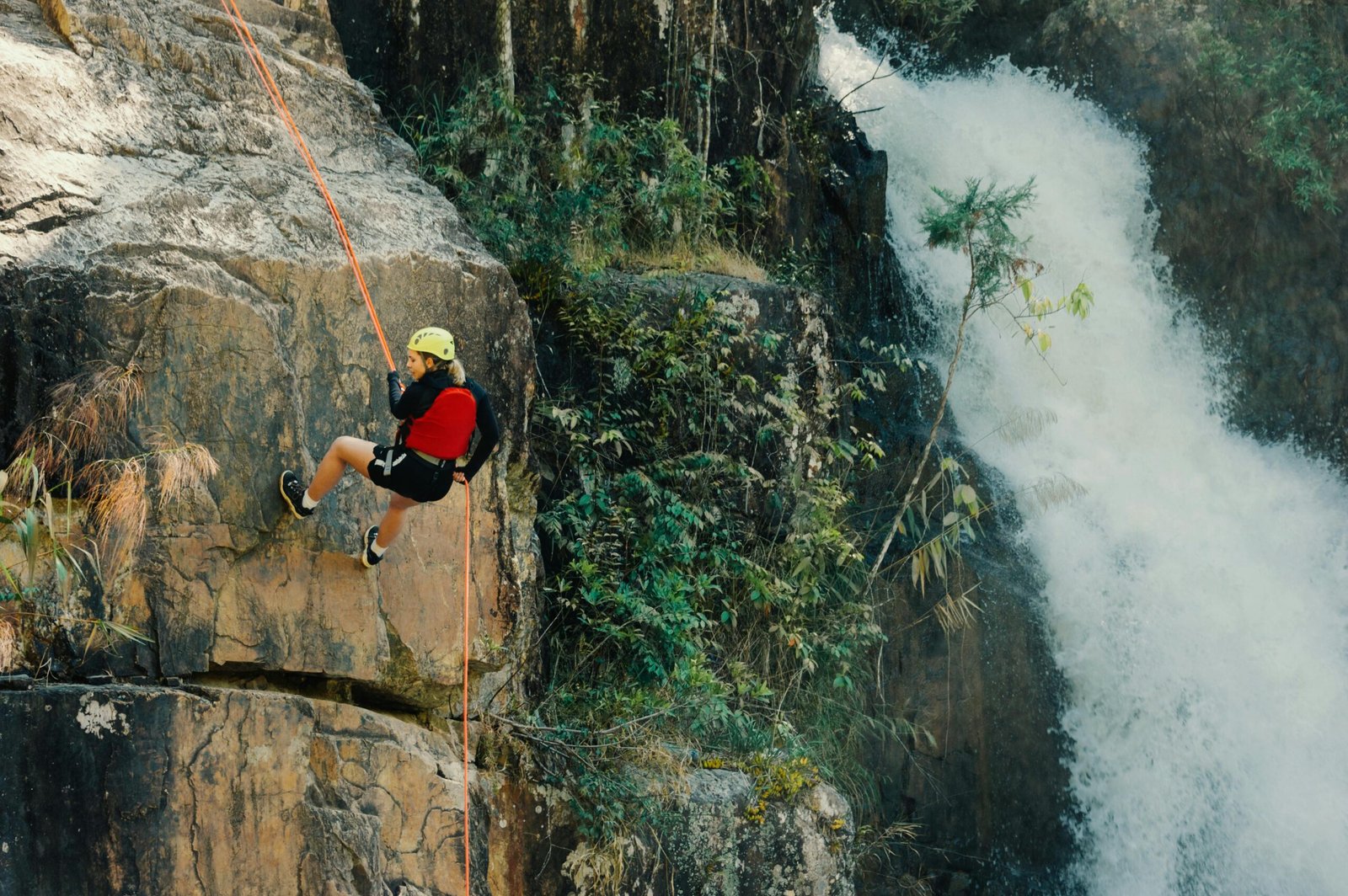
Imagine standing at the foot of a towering cliff. The air is fresh, your fingers dusted with chalk, and above you stretches a wall of stone that seems impossible to conquer. Yet climbers all over the world are drawn to that challenge. Rock climbing isn’t just a sport—it’s an adventure, a lifestyle, and for many, a reason to travel.
Why Is Rock Climbing So Popular?
The magic of climbing lies in its mix of adrenaline and mindfulness. Each route is like solving a living puzzle—where strength, strategy, and courage come together. People love it because:
- It’s not just physical; it sharpens your mind.
- Every climb feels like an achievement, no matter how small.
- The views and sense of freedom from high above are unmatched.
- It builds community—climbers cheer each other on, whether indoors or on the cliffs of the world.
Why Tourists Are Drawn to Rock Climbing
For many travelers, climbing is more than an activity—it’s a way to truly connect with nature. Imagine hanging on a limestone cliff in Greece with the sea shimmering below, or climbing ancient boulders in India surrounded by history and culture. Tourists love climbing spots because they combine adventure with beauty. It’s not just about the climb—it’s about the experience: the landscapes, the sunsets, the stories you take back home.
Climbing also gives tourists a sense of accomplishment. Hiking gets you to the top, yes, but climbing earns you that view. That’s why so many people find it addictive—they want to chase that victory again and again.
Famous Rock Climbing Destinations
Rock climbing is spread across the globe, but some places have become legends:
- Yosemite National Park, USA – The ultimate pilgrimage for climbers. El Capitan and Half Dome are world-famous.
- Kalymnos, Greece – Sun, sea, and limestone cliffs make it a paradise.
- Fontainebleau, France – A bouldering heaven just outside Paris.
- Hampi, India – Ancient rocks and temples create a surreal climbing experience.
- Patagonia, Argentina/Chile – Wild, remote, and for the most daring climbers.
Among these, Yosemite is often considered the most famous—it’s where legends of climbing history were made, and it still attracts adventurers from every corner of the world.
How Rock Climbing Affects People—Mind and Body
Ask any climber what they feel after a climb, and their answer is never simple—it’s a mix of tired muscles, a calm mind, and a heart full of pride.
Physically, climbing pushes you to your limits. Your arms burn, your legs tremble, and your hands are sore from gripping the rock. Yet strangely, that exhaustion feels satisfying. Instead of weakness, you feel stronger—like your body just proved it can do more than you ever believed. Many say it’s one of the best full-body workouts, but it doesn’t feel like exercise—it feels like adventure.
Mentally, the effects are even more powerful. While climbing, the outside world disappears. No deadlines, no stress, no worries—just you, the wall, and the next move. This focus clears the mind like meditation. And when you finally reach the top, the wave of relief and happiness is unforgettable. It’s not just pride—it’s confidence. You feel braver, calmer, and more alive.
After climbing, people often describe a kind of inner peace. The adrenaline rush leaves behind clarity, and the struggle against fear turns into a lesson: if you can face a wall of stone, maybe you can face the walls in life too.
In short, rock climbing leaves people both exhausted and energized, shaken and empowered. It strengthens the body, sharpens the mind, and lifts the spirit. That’s why so many people come back to it—it doesn’t just change your day, it changes you.
The Soul of Climbing
At its heart, rock climbing is about conquering yourself, not just the rock. Tourists may come for the landscapes, but they leave with stories of courage, focus, and triumph. The sport gives you a perspective few others can—literally and spiritually.
Climbing teaches a lesson that resonates beyond the cliff: every wall in life looks impossible at first, but step by step, grip by grip, you rise. And when you finally stand tall at the top, the view isn’t just breathtaking—it’s proof of your strength.
Why Tourists Choose Rock Climbing Over Other Adventures
| Activity | What It Offers | Why Tourists Love It | How Rock Climbing Stands Out |
|---|---|---|---|
| Hiking & Trekking | Long trails, steady climbs through nature | Easy to start, scenic views, great for groups | Rock climbing is more intense and vertical, offering thrill + achievement beyond just walking. |
| Skydiving | Jumping from aircraft, fast adrenaline rush | Instant excitement, unforgettable moment | Climbing offers a slower, mindful challenge—you control every move, making the victory feel earned. |
| Scuba Diving | Exploring underwater worlds | Adventure + discovery of marine life | Climbing connects with mountains & cliffs, giving breathtaking land views instead of ocean views. |
| Paragliding | Flying with a parachute over landscapes | Freedom of flight, bird’s-eye views | Climbing earns you the view by effort—reaching the summit feels more rewarding. |
| Bouldering (Indoor/Outdoor) | Short, powerful climbs without ropes | Safe, social, and fun for beginners | Rope climbing outdoors adds height, fear, and thrill that attract adventurous tourists. |
The Spirit of Climbing
At its core, rock climbing isn’t about conquering a rock—it’s about conquering yourself. The walls test your patience, your courage, and your willpower. Each climb teaches resilience, focus, and the joy of living fully in the moment.
So, if you’re looking for an adventure that challenges your body, sharpens your mind, and rewards your spirit, tie that rope, chalk your hands, and start climbing. The heights are waiting.

Leave a Comment