
Cloud-Native is the New Default: Why Modern Software Runs on the Cloud
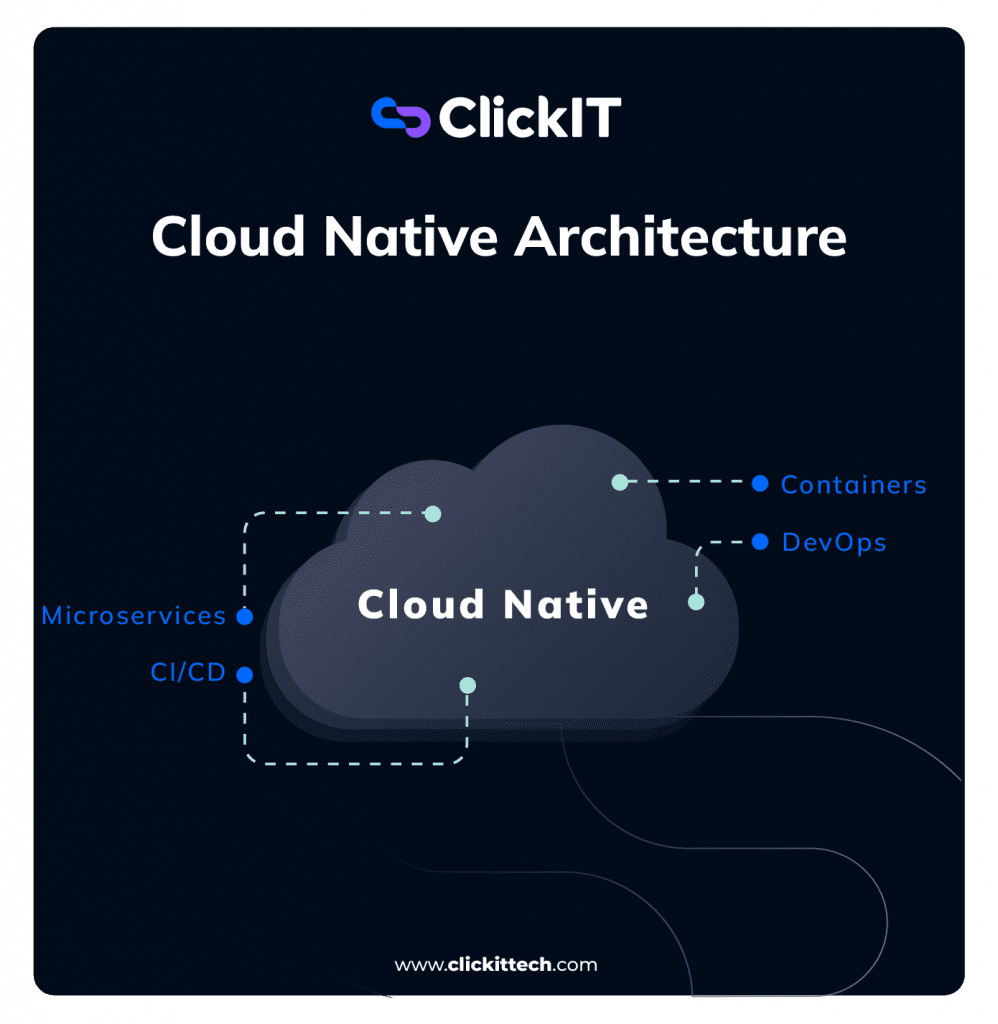
In today’s fast-paced digital landscape, agility, scalability, and resilience are non-negotiable. That’s why cloud-native architecture has emerged as the new standard for building and running modern applications. It’s no longer just an option — it’s the foundation.
Whether you’re building a microservice-based SaaS product or transforming legacy systems, cloud-native principles offer the flexibility and efficiency required in 2025 and beyond.
What is Cloud-Native Architecture?
Cloud-native architecture is an approach to designing, building, and operating applications that fully leverage the benefits of cloud computing.
It typically includes:
- Microservices – Decomposed, independently deployable services
- Containers – Lightweight, portable execution environments
- Orchestration – Automated management of containers (e.g., Kubernetes)
- DevOps & CI/CD – Rapid and reliable release pipelines
- Elastic Scalability – Auto-scaling based on demand
These components together enable faster development, easier scaling, and greater fault tolerance.
Technologies That Power Cloud-Native
- Docker – Containerization platform
- Kubernetes – Container orchestration
- Helm – Package manager for Kubernetes apps
- Istio / Linkerd – Service meshes for traffic control and observability
- Prometheus & Grafana – Monitoring and alerting
- Terraform / Pulumi – Infrastructure as code
Real-World Use Cases
Netflix
Microservices + chaos engineering = scalable, resilient streaming platform.
Spotify
Uses Kubernetes to manage thousands of services with efficiency and speed.
Shopify
Migrated from monolith to cloud-native to support hyper-growth during seasonal spikes.
Key Technologies Powering Cloud-Native
| Technology | Role |
|---|---|
| Docker | Containerization platform |
| Kubernetes | Container orchestration and management |
| Istio / Linkerd | Service mesh for traffic routing, security, observability |
| Helm | Kubernetes package management |
| Terraform / Pulumi | Infrastructure as Code tools |
| Prometheus & Grafana | Monitoring and alerting |
| CI/CD tools | Jenkins, GitHub Actions, GitLab CI for automated pipelines |
Future Trends in Cloud-Native Architecture
- Serverless and Function-as-a-Service (FaaS) integration for event-driven microservices.
- AI-powered observability to proactively detect and fix issues.
- Edge computing extending cloud-native principles closer to users for lower latency.
- Increased adoption of service meshes to manage microservice communication securely and efficiently.
Challenges to Consider
- Complexity Management: Managing dozens or hundreds of microservices requires advanced orchestration, monitoring, and governance.
- Security: Ensuring container security, managing identities, and implementing zero-trust models can be challenging.
- Skill Requirements: Teams must understand containerization, orchestration, and cloud infrastructure deeply.
- Cost Control: Dynamic scaling can lead to unexpected costs without careful monitoring and budgeting.

Leave a Comment