
Exploring Ancient Ruins: A Journey Through Time
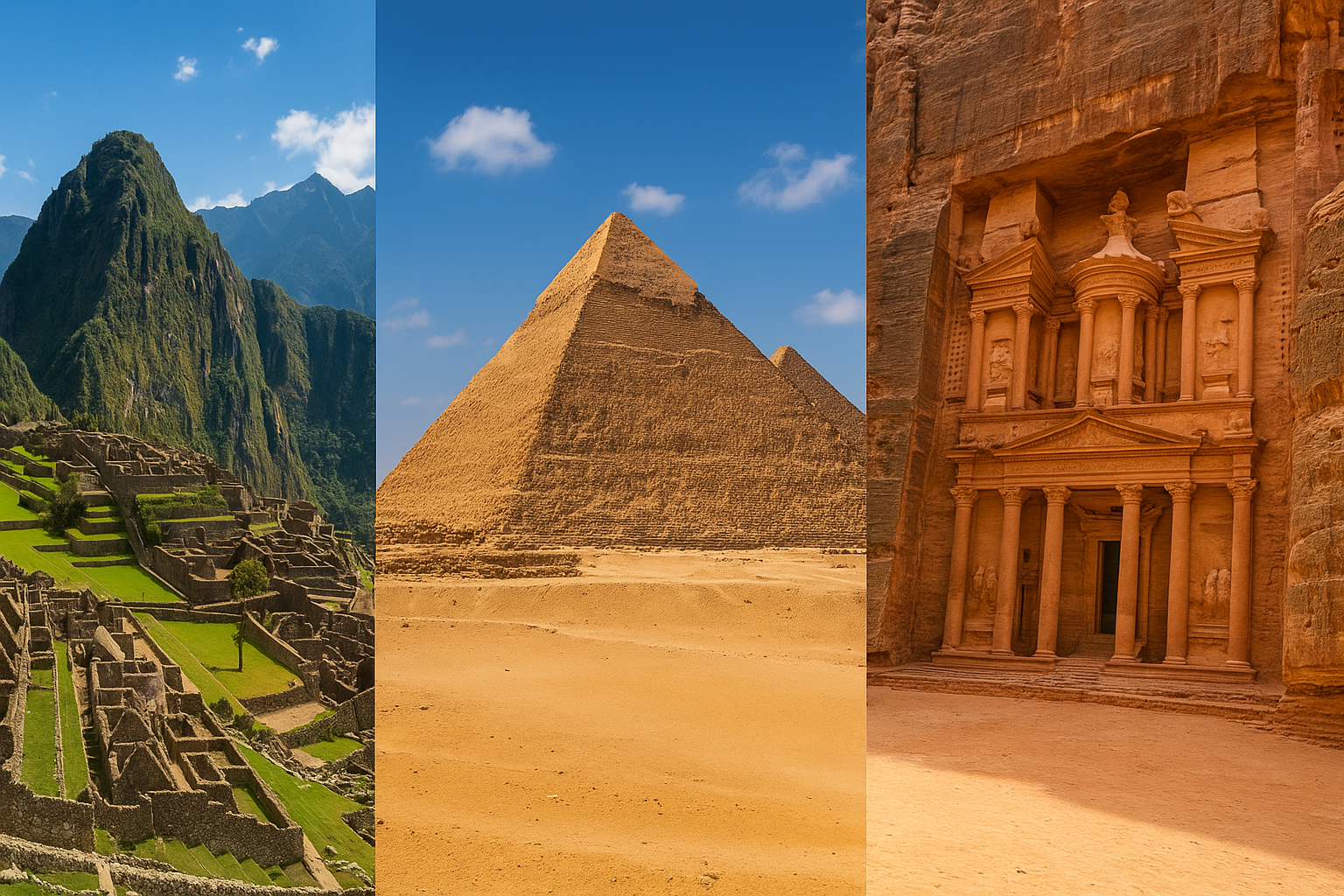
There’s something magical about walking through the silent remains of civilizations that thrived thousands of years ago. Ancient ruins are more than just piles of stone — they are living reminders of human history, culture, art, and innovation. Exploring them feels like stepping into a time machine, where every wall, pillar, and carving whispers stories of a forgotten world.
Why Do People Love Exploring Ancient Ruins?
- Connection to the Past – Ancient ruins let us connect with our roots and understand how humans lived, built, and believed.
- Mystery & Wonder – Every ruin has unanswered questions, making the journey feel adventurous.
- Cultural Appreciation – Seeing ancient architecture and art sparks respect for different civilizations.
- Spiritual Experience – Some places evoke a deep sense of peace and awe, as if time has frozen.
How to Enjoy Exploring Ancient Ruins
- Go with a Guide – Local guides bring ruins to life with stories and hidden facts.
- Visit Early Morning or Sunset – Fewer crowds, better photos, and peaceful vibes.
- Wear Comfortable Shoes – Many ruins involve long walks or climbs.
- Respect the Site – Avoid touching carvings or damaging stones.
- Slow Down & Imagine – Try to picture how life was when these structures stood in their full glory.
The ancient places where tuorists love to visit
1. Machu Picchu, Peru
- Lost city of the Incas, high in the Andes.
- Famous for its terraces, temples, and mountain views.
2. Pyramids of Giza, Egypt
- Wonder of the ancient world, built as tombs for pharaohs.
- A symbol of mystery and engineering genius.
3. Petra, Jordan
- Rose-red city carved into sandstone cliffs.
- Known for the Treasury, Monastery, and hidden passageways.
Ancient Ruins vs. Modern Architecture
| Aspect | Ancient Ruins | Modern Architecture |
|---|---|---|
| Time Period | Built thousands of years ago, often without machines. | Built in recent centuries with advanced technology. |
| Purpose | Mostly spiritual, cultural, or symbolic (temples, pyramids, arenas). | Practical, economic, and lifestyle-oriented (offices, malls, homes). |
| Materials Used | Stone, clay, wood, natural elements. | Steel, glass, concrete, modern composites. |
| Design Approach | Focused on spirituality, beliefs, and community. | Focused on functionality, efficiency, and aesthetics. |
| Durability | Many still stand after centuries, surviving nature and wars. | Designed for speed and modern needs; may not last millennia. |
| Mystery Factor | Shrouded in myths, legends, and unanswered questions. | Transparent process — we know who built it and how. |
| Emotional Impact | Evokes awe, curiosity, and connection to heritage. | Evokes admiration for innovation and progress. |
| Visitor Experience | Feels like stepping back in time, touching history. | Feels futuristic, inspiring dreams of tomorrow. |
| Famous Examples | Pyramids of Giza, Machu Picchu, Angkor Wat, Petra. | Burj Khalifa, Sydney Opera House, Shanghai Tower, Louvre Pyramid. |
| Symbolism | Represents faith, survival, and ancient wisdom. | Represents modern progress, technology, and ambition. |
Tourism Value
- Ancient ruins attract cultural and historical travelers.
- Modern architecture attracts business and leisure tourists.
Legacy & Storytelling
- Ancient ruins carry untold stories, mysteries, and myths.
- Modern buildings reflect human ambition and innovation.
How Ancient Buildings Were Constructed Without Modern Technology
1. Manpower & Teamwork
- Thousands of laborers, artisans, and slaves (in some civilizations) worked together.
- They used ropes, pulleys, and ramps to move giant stones.
- Example: The Great Pyramids of Egypt used over 20,000–30,000 workers.
2. Simple Tools, Big Results
- Wooden sledges, rollers (logs), chisels, copper/bronze tools, and stone hammers.
- Levers were used to lift heavy stones gradually.
- Example: Stonehenge in England used logs as rollers and ropes to raise stones upright.
3. Ramps & Gravity Tricks
- Builders created earthen ramps to drag stones upward.
- Gravity was used cleverly — heavy blocks slid down slopes to reach their positions.
- Example: Egyptians likely used long ramps to place pyramid stones.
4.Skill & Craftsmanship
- Expert architects, mathematicians, and craftsmen guided construction.
- Structures were designed with geometry, balance, and symmetry in mind.
- Example: Romans perfected arches and concrete, creating aqueducts and the Colosseum.

Leave a Comment