
The Rise of Smart Work: How Automation Is Redefining the Modern Workplace
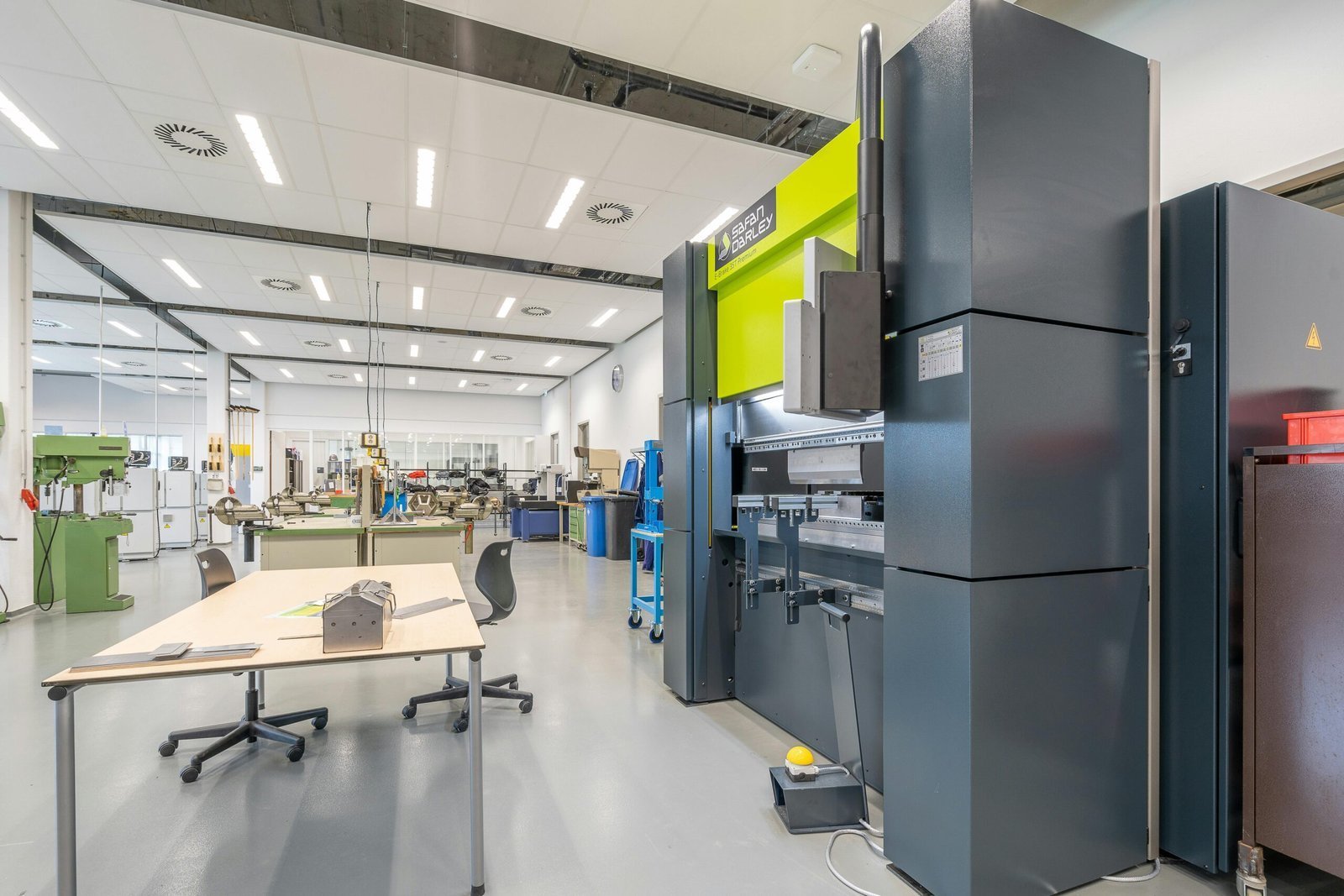
There was a time when “automation” sounded like something from a sci-fi movie — robots replacing humans, machines running factories, and AI taking over tasks. But today, automation isn’t a distant future — it’s here, reshaping how we work, think, and create.
From offices to industries, automation has become the quiet partner of human effort. It’s not about replacing people — it’s about empowering them. The modern workplace is evolving fast, blending technology with human skill to build something smarter, faster, and more efficient.
What Exactly Is Automation in the Workplace?
Automation simply means using technology to handle repetitive, routine, or time-consuming tasks — the things that used to drain hours of human energy.
In modern offices, automation shows up everywhere:
- Emails that sort themselves
- Chatbots that handle customer queries 24/7
- AI tools that schedule meetings, generate reports, or analyze data in seconds
- Robotic arms that work alongside humans in factories, performing precise and repetitive tasks flawlessly
The result? Less time wasted, fewer mistakes, and more space for creativity and big ideas.
How Automation Is Transforming the Workplace
Let’s explore how automation is reshaping work — in ways that are both practical and deeply human.
1. Smarter Workflows, Faster Decisions
AI systems can analyze thousands of data points in seconds, spotting trends and predicting outcomes. Managers no longer have to guess; they have data-driven clarity that saves time and boosts performance.
2. Goodbye Repetition, Hello Creativity
By automating mundane tasks like scheduling, data entry, or inventory updates, employees regain hours of their day. Those hours are now spent on problem-solving, innovation, and creative thinking.
3. Human and Machine: A Perfect Partnership
Automation handles routine tasks, while humans bring empathy, imagination, and emotional intelligence — things no algorithm can copy. Together, they create stronger, more effective teams.
Advantages and Disadvantages of Automation
Automation is powerful, but it comes with trade-offs. Here’s a quick overview:
| Advantages | Disadvantages |
|---|---|
| Saves time on repetitive tasks | High initial cost for setup and implementation |
| Reduces human errors | Risk of over-reliance on technology |
| Boosts productivity | May require reskilling employees |
| Improves decision-making with data insights | Potential job displacement in some roles |
| Enhances employee satisfaction | Technical failures can disrupt workflow |
| Supports remote and hybrid work | Lack of human touch in some processes |
| Encourages innovation | Security and privacy concerns with data-driven systems |
| Scales business operations efficiently | Continuous updates and maintenance needed |
Looking Ahead: The Future of Work Is Human + Machine
The workplace of the future won’t be run by robots — it’ll be powered by humans who know how to work with them.
Automation isn’t replacing human potential; it’s unlocking it.
The modern worker is no longer tied to repetitive tasks — they’re innovators, creators, and decision-makers guided by smart technology.
In the End
Automation is not just changing the way we work — it’s changing what work means.
It’s giving us time to think, create, and grow. It’s redefining success not by how busy we are, but by how much value we bring.
The most powerful workplaces aren’t the ones filled with machines — they’re the ones filled with people who know how to use them wisely.

Leave a Comment