
Why Today’s Classrooms Need Curiosity More Than Perfect Scores
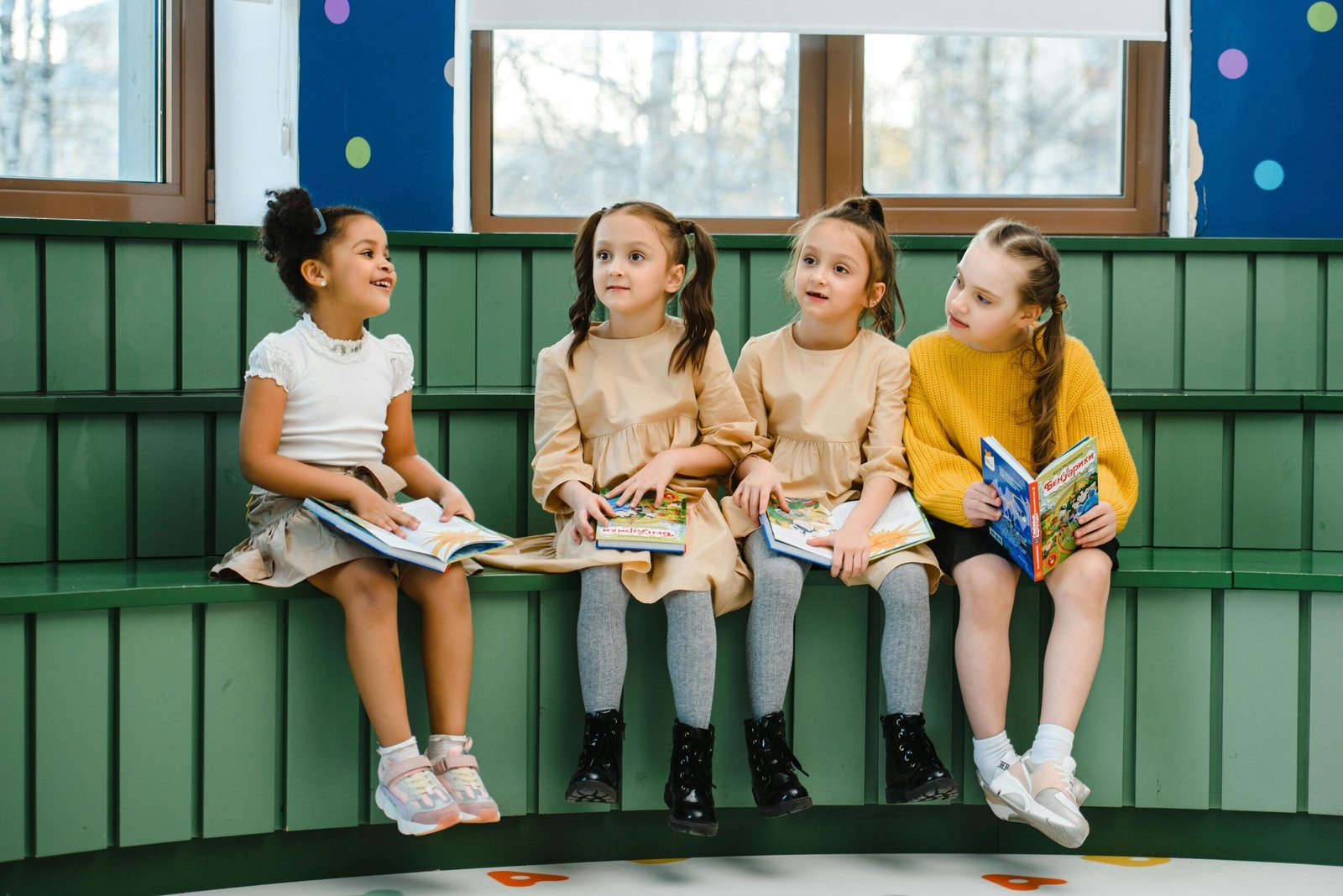
In a world where AI can solve equations in seconds and information is available in a single tap, one question stands out: Are students truly learning, or are they just memorizing to survive exams?
Modern education is shifting, and the most valuable skill of this new era isn’t how many answers a student remembers — it’s how many questions they’re brave enough to ask.
The Death of Rote Learning (And Why That’s a Good Thing)
For decades, students were trained to repeat, recall, and reproduce. It worked when careers were predictable and knowledge didn’t change overnight.
But today? The real world rewards problem-solvers, not parrot-learners.
Employers now look for:
- Creative thinkers
- Independent learners
- Students who can adapt
- Learners who can explore, not just follow
Rote learning may help score high, but curiosity helps students stay relevant.
Curiosity: The Skill Schools Forgot to Teach
Children are naturally curious — they ask “Why?” a hundred times a day. But somewhere during school life, curiosity gets replaced by fear of being wrong.
Modern classrooms should nurture:
- Open-ended thinking
- Healthy discussion
- Exploration beyond textbooks
- Freedom to make mistakes
When students are encouraged to ask questions, they become active learners, not passive listeners.
Learning That Lives Beyond the Exam Hall
Marks fade, certificates gather dust — but curiosity builds skills for a lifetime.
A curious learner:
- Learns faster
- Understands deeper
- Finds new opportunities
- Grows with every challenge
This is the kind of education that creates innovators, not imitators.
The Future Belongs to Curious Minds
As AI, automation, and global competition rise, education must evolve. The students who thrive will be the ones who can ask better questions, explore new ideas, and stay hungry for knowledge.
Curiosity isn’t just a habit. It’s the future’s biggest superpower.

Leave a Comment