
Apps

iphone, 4s, technology, mobile, app, unit, screen, gadget, mobile phone, smartphone, app, app, app, app, app
Apps

What If Apps Could Talk? The Hidden Conversations Your Phone Has Every Day

Some apps demand attention with bright colours and constant notifications, but the ones that truly run our daily life remain almost invisible. These silent helpers — the keyboard, the clock, the gallery, the file manager — blend into our routine so naturally that we barely notice them. Yet they are the first apps we interact with every morning and the last ones we rely on every night. They don’t try to impress us; they simply work, consistently and quietly, shaping the rhythm of our digital world.
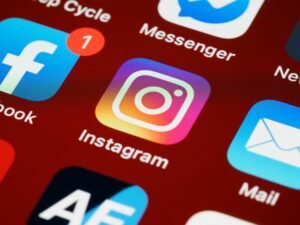
Vibrant close-up of popular social media app icons on a smartphone screen.
Apps

Are We Entering the Age of Apps That Don’t Feel Like Apps?

What if the future of technology wasn’t about adding more — but removing everything unnecessary?
In 2025, a quiet revolution is reshaping how we use technology. The next big thing in the app world isn’t another flashy design or a thousand features — it’s simplicity. The rise of “No-App” apps is changing how we interact with our phones, and how much peace we get from them.

Close-up view of a smartphone displaying apps, held by a hand, with a blurred laptop in the background.
Apps

What Happens When Every App Becomes a Therapist?

In a world where our phones know our sleep cycles, stress levels, and even moods, it’s not surprising that therapy has found its way into our pockets. Once, healing the mind required a quiet office, a patient couch, and a trusted therapist. Today, it requires nothing more than a tap. From guided meditations to mood trackers and AI companions that “listen,” our emotional well-being has gone digital. But as these apps promise calm, confidence, and even happiness — we need to ask: what happens when every app becomes a therapist?

Young girl studying music with a laptop in a cozy living room setting.
Apps

Is Being Offline the New Luxury? How Apps Are Learning to Live Without the Internet

In a world where every ping, buzz, and notification fights for your attention, being offline feels almost rebellious. Once, losing internet meant panic — no messages, no maps, no memes. But now? It’s starting to feel like peace. And surprisingly, some apps are catching on. They’re learning to survive — and even thrive — without the web.

Close-up of a hand holding a smartphone outdoors in TN, India, showing apps on screen.
Apps

The Day Apps Grow a Heart and Begin to Understand What We Feel

Once upon a time, apps were just silent servants—designed to obey commands, not emotions. They helped us plan our days, order our meals, and track our steps, but they never felt anything. Now, that’s changing. The next wave of technology is learning to read emotions, sense moods, and even respond with empathy. The day isn’t far when our apps won’t just understand what we say—they’ll understand what we feel.

Close-up of a person using a tablet for online trading analysis with a laptop and glass of water nearby.
Apps

The Silent World of Apps That Control More Than You Realize

We barely notice them, yet they quietly shape almost every part of our lives. From the morning weather alert to the late-night scroll of perfectly curated content, invisible apps are always at work. They don’t just live in our phones—they live in our decisions, routines, and even the way we think.

Close-up of a smartphone screen showing various social media app icons such as Facebook and Twitter.
Apps

If Everything’s an App Now, What’s Left for Real Life?

Everywhere you look, there’s an app waiting to take over something real.
We don’t plan, meet, or even think the same way anymore — because our phones already do it for us. From alarms to relationships, everything runs on digital code. It’s efficient, yes, but in chasing speed and comfort, we’ve quietly swapped experience for ease.

Apps

Hands-Free, Future-Ready: How Voice and Gesture-Based Interfaces Are Redefining User Experience

In a world where convenience, speed, and accessibility dominate user expectations, traditional taps and swipes are gradually giving way to more natural, intuitive interactions: voice and gesture-based interfaces.

From commanding smart homes with a whisper to navigating AR environments with a simple hand wave, these interfaces are revolutionizing how we interact with technology. And as devices become more context-aware and AI gets smarter, this trend is only accelerating.