
Is Being Offline the New Luxury? How Apps Are Learning to Live Without the Internet
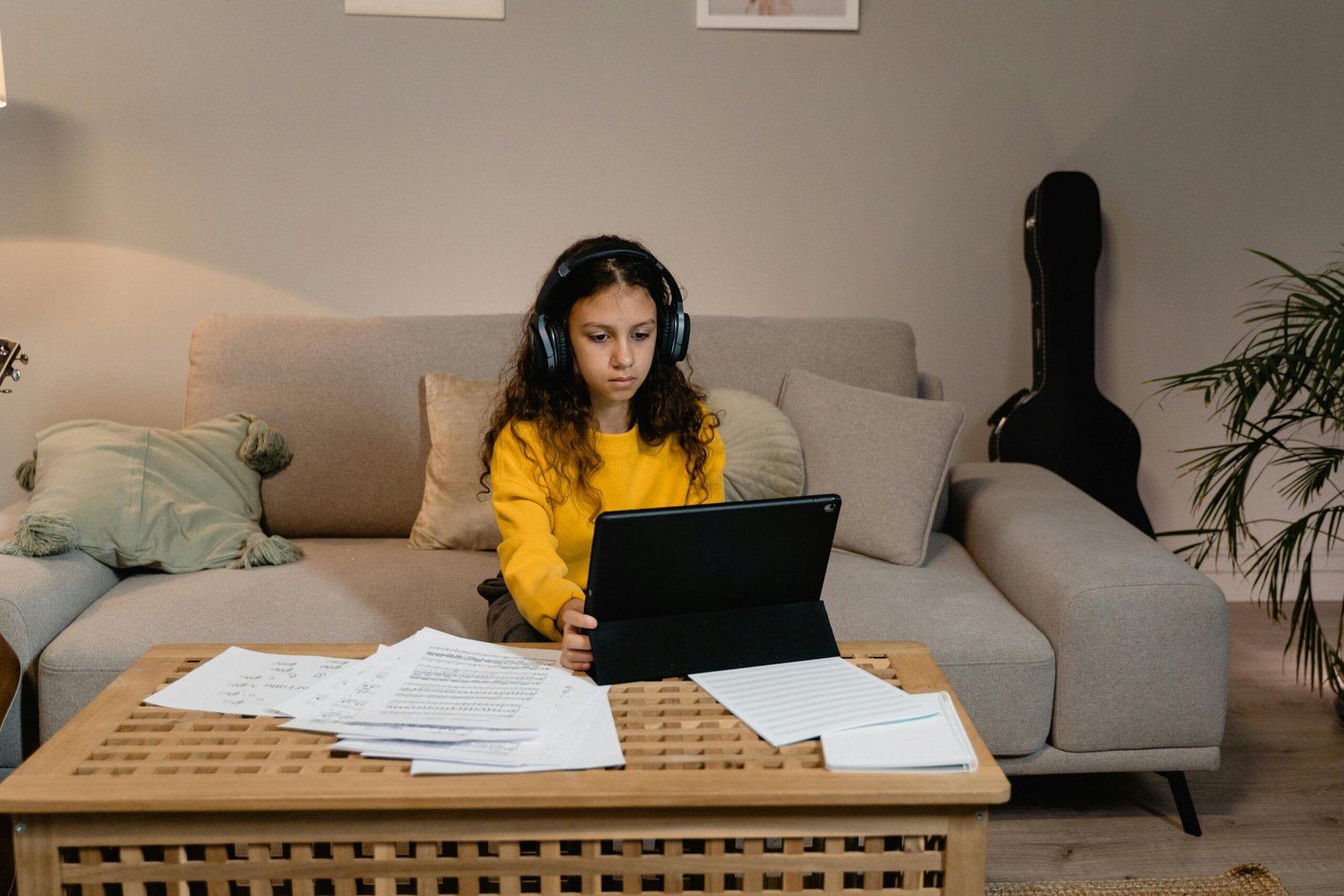
In a world where every ping, buzz, and notification fights for your attention, being offline feels almost rebellious. Once, losing internet meant panic — no messages, no maps, no memes. But now? It’s starting to feel like peace. And surprisingly, some apps are catching on. They’re learning to survive — and even thrive — without the web.
The Irony of the Always-Connected World
Remember when the internet was a luxury? Now, disconnection is. We’ve built a world where our lives revolve around Wi-Fi bars and data packs. But here’s the twist — many of us are starting to crave moments where our phones still work even when the signal doesn’t.
Developers, noticing this quiet rebellion, are now creating offline-first apps — tools that function flawlessly even in airplane mode. Because let’s face it: the best ideas, thoughts, or adventures don’t wait for a signal.
The Rise of “Offline-First” Apps
It started small — with maps that didn’t crash when the connection did. Then came note-taking apps, document editors, translation tools, and even games that ran without cloud syncs.
These aren’t your old-school, stripped-down versions. These are smart, modern apps that store, sync, and adapt seamlessly.
For example:
- Google Maps Offline Mode saves entire regions, not just routes.
- Spotify Offline Playlists let you stream silence-free, even on a mountain top.
- Notion & Evernote Offline now work like notebooks from another era — but smarter.
It’s not just convenience. It’s control.
The Emotional Shift: From FOMO to JOMO
We’ve all suffered from FOMO — the fear of missing out. But now there’s a new feeling rising: JOMO, the joy of missing out.
The moment your phone goes offline, you breathe a little deeper. Notifications vanish. Distractions fade. You start noticing the world again — not through pixels, but through presence.
Offline-capable apps are quietly fueling this emotional revolution. They’re giving us permission to disconnect without losing functionality.
Why “Offline” Feels So Powerful Now
It’s not about rejecting technology — it’s about reshaping it.
Offline-first design is teaching apps to be more human. To listen, to adapt, to remember.
Because in a world obsessed with “real-time,” maybe what we need more is “our time.”
The Future: Apps That Don’t Need Us to Be Online
The next generation of apps will blur the line between “connected” and “disconnected.” Imagine language translators that learn locally, AI assistants that function without cloud dependency, or personal health trackers that store insights on-device — no data leakage, no dependency.
These apps won’t just save battery or data — they’ll save sanity.
The Quiet Revolution Ahead
The real digital revolution isn’t happening in cloud servers or flashy updates — it’s happening in silence.
In those moments when your phone has no signal but still serves you.
When your apps work for you, not through the internet.
This is the new kind of innovation — tech that respects your time, peace, and privacy.
Because the future won’t just be fast or connected —
it’ll be calm, personal, and beautifully offline.

Leave a Comment