
The Rise of Smart Cities: How Technology Is Rebuilding Urban Living
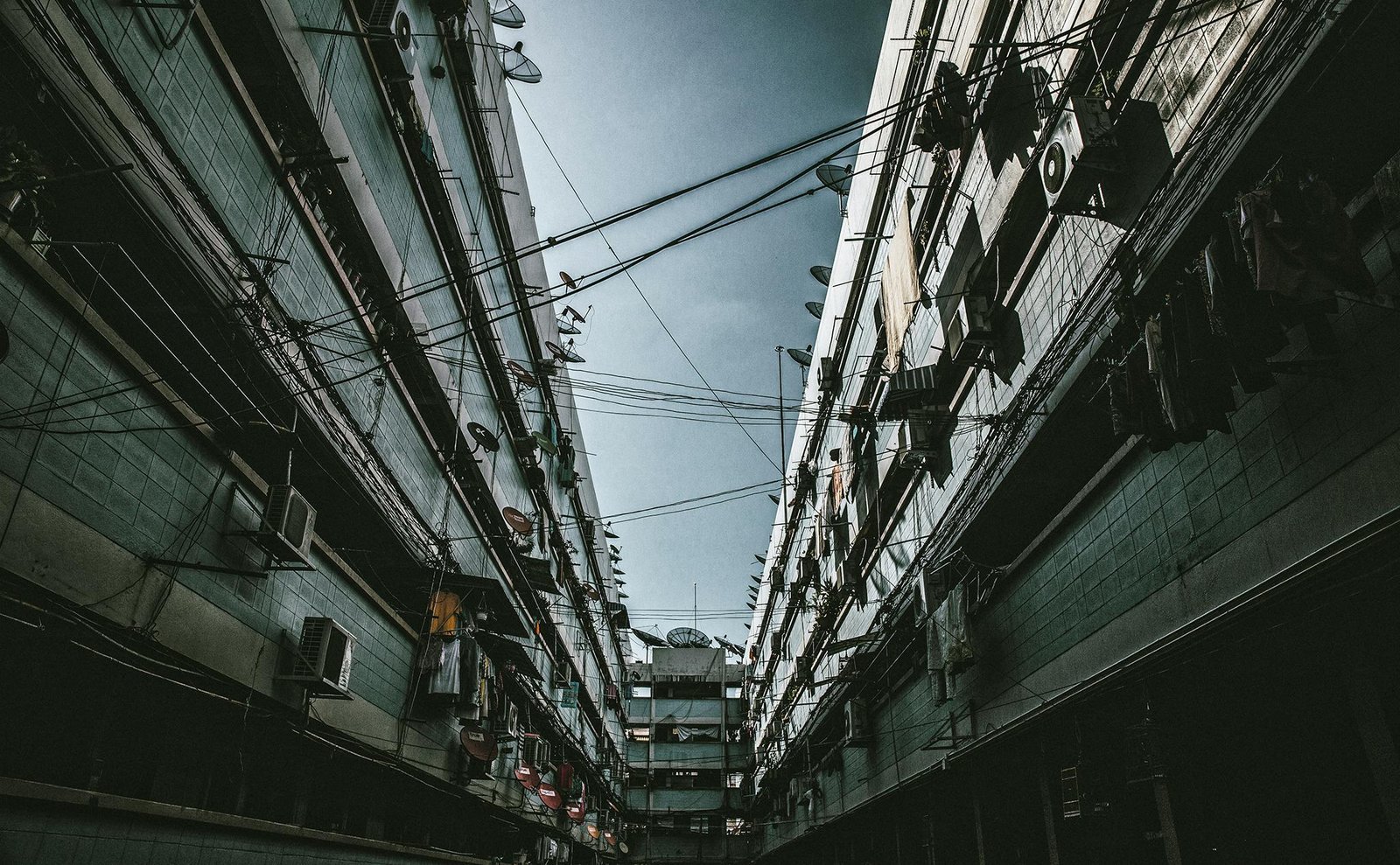
Cities are no longer just places where people live—they are becoming intelligent ecosystems designed to make life smoother, faster, and more efficient. Welcome to the era of Smart Cities, where technology silently works in the background to improve everything from transportation to energy use, safety, and daily convenience.
Imagine a city where traffic lights adjust based on vehicle flow, where streetlights automatically dim when no one’s around, where you can track public transport in real-time, and where waste is collected only when bins are full—that’s the power of a smart city.
What Exactly Is a Smart City?
A smart city uses technology, data, and automation to enhance urban life. It connects transportation, energy, communication, safety, and public services into one intelligent network that responds to citizens’ needs in real-time.
Instead of waiting in traffic, breathing polluted air, or wasting energy, smart cities aim to create a cleaner, faster, and more sustainable lifestyle.
Smart Technologies Transforming Urban Life
Here are some key technologies building the cities of tomorrow:
Smart Traffic Management
- AI-based signals reduce congestion.
- Real-time tracking apps for buses and trains.
- Digital parking systems that guide you to empty spots.
Green Energy & Eco Systems
- Smart grids prevent energy waste.
- Solar and wind systems are monitored digitally for efficiency.
- Buildings automatically control lighting and temperature.
Smart Waste Solutions
- Sensor-based bins alert authorities when full.
- Optimized collection routes reduce fuel use and pollution.
Connected Infrastructure
- Smart streetlights save electricity.
- Public Wi-Fi zones keep people connected.
- Digital kiosks for information, maps, and city services.
Safety & Surveillance
- Smart cameras detect unusual activities.
- Emergency response systems get alerts instantly.
- Public spaces are monitored for better safety.
Benefits of Smart Cities
| Benefit | What It Means for People |
|---|---|
| Reduced Traffic & Faster Commute | Less time wasted on roads |
| Cleaner Environment | Better air quality & green living |
| Energy Efficiency | Lower electricity bills and sustainable power |
| Increased Safety | Faster emergency response and secure public spaces |
| Better Public Services | Seamless access to transport, healthcare, and communication |
| Time & Resource Savings | Smart planning means less hassle and more convenience |
Why the World Needs Smart Cities
With rising population, pollution, and urban stress, traditional cities can’t keep up. Smart cities bring innovation with purpose, using technology not just for luxury, but to:
- Save lives with faster healthcare response
- Reduce pollution with smart monitoring
- Cut energy wastage through automation
- Give citizens a voice through digital platforms
- Improve the overall quality of living
A Glimpse Into Tomorrow
In the near future, your home might notify you of power usage, your car will communicate with traffic systems, and your city will guide you through your day just like a personal assistant.
The best part? You won’t even notice it happening. Smart cities blend technology so smoothly that life simply becomes easier—without the need to constantly adapt or learn new systems.
Conclusion: A Smarter Future Begins Now
Smart cities are not just about gadgets and screens. They are about building better lives through invisible intelligence. With technology working quietly in the background, citizens can enjoy clean air, safe streets, efficient services, and a connected lifestyle.
The future of urban living is not loud or complicated—it’s smooth, sustainable, and beautifully smart.

Leave a Comment